- What is Japandi? The Intersection of Two Philosophies – Japandi Interior Style
- What Colors Define the Japandi Style?
- Japandi Furniture – Form Follows Function
- Materials and Textures in Japandi (Linen, Bamboo, Stone, Raw Timber)
- Japandi Lighting – Inspiring Minimalism
- Japandi vs. Scandinavian Design – Distinctions and Affinities
- How to Begin Designing in Japandi Style? 5 Foundational Steps
- FAQ – Najczęściej zadawane pytania
What is Japandi? The Intersection of Two Philosophies – Japandi Interior Style
When East meets West in the realm of interior architecture, the outcome is often truly sublime. The Japandi aesthetic represents an organic dialogue between two seemingly distinct worlds. On one hand, we embrace Scandinavian design, celebrated for warmth, utilitarian functionality, and the ethos of hygge. On the other, we welcome oriental style in its minimalist Japanese discipline, anchored in the philosophy of wabi-sabi—the quiet reverence for imperfection and impermanence. For truly mindful interiors, a well-conceived Japandi layout is essential.
This compelling movement within contemporary interiors is far more than a fleeting aesthetic; it is a profound exploration of how we yearn to live in an overstimulated modern landscape. A home shaped in the spirit of Japandi becomes a true sanctuary—a contemplative retreat where every piece holds purpose and quiet meaning. Embracing this design language invites us to transcend decorative excess, honoring instead the pure essence of form, tactile texture, and natural light. This compelling movement within contemporary interiors is far more than a fleeting aesthetic; it is a profound exploration of how we yearn to live in an overstimulated modern landscape. A home shaped in the spirit of Japandi becomes a true sanctuary—a contemplative retreat where every piece holds purpose and quiet meaning. Embracing this design language invites us to transcend decorative excess, honoring instead the pure essence of form, tactile texture, and natural light. This compelling movement within contemporary interiors is far more than a fleeting aesthetic; it is a profound exploration of how we yearn to live in an overstimulated modern landscape. A home shaped in the spirit of Japandi becomes a true sanctuary—a contemplative retreat where every piece holds purpose and quiet meaning. Embracing this design language invites us to transcend decorative excess, honoring instead the pure essence of form, tactile texture, and natural light. This compelling movement within contemporary interiors is far more than a fleeting aesthetic; it is a profound exploration of how we yearn to live in an overstimulated modern landscape. A home shaped in the spirit of Japandi becomes a true sanctuary—a contemplative retreat where every piece holds purpose and quiet meaning. Embracing this design language invites us to transcend decorative excess, honoring instead the pure essence of form, tactile texture, and natural light. This compelling movement within contemporary interiors is far more than a fleeting aesthetic; it is a profound exploration of how we yearn to live in an overstimulated modern landscape. A home shaped in the spirit of Japandi becomes a true sanctuary—a contemplative retreat where every piece holds purpose and quiet meaning. Embracing this design language invites us to transcend decorative excess, honoring instead the pure essence of form, tactile texture, and natural light. This compelling movement within contemporary interiors is far more than a fleeting aesthetic; it is a profound exploration of how we yearn to live in an overstimulated modern landscape. A home shaped in the spirit of Japandi becomes a true sanctuary—a contemplative retreat where every piece holds purpose and quiet meaning. Embracing this design language invites us to transcend decorative excess, honoring instead the pure essence of form, tactile texture, and natural light. This compelling movement within contemporary interiors is far more than a fleeting aesthetic; it is a profound exploration of how we yearn to live in an overstimulated modern landscape. A home shaped in the spirit of Japandi becomes a true sanctuary—a contemplative retreat where every piece holds purpose and quiet meaning. Embracing this design language invites us to transcend decorative excess, honoring instead the pure essence of form, tactile texture, and natural light. This compelling movement within contemporary interiors is far more than a fleeting aesthetic; it is a profound exploration of how we yearn to live in an overstimulated modern landscape. A home shaped in the spirit of Japandi becomes a true sanctuary—a contemplative retreat where every piece holds purpose and quiet meaning. Embracing this design language invites us to transcend decorative excess, honoring instead the pure essence of form, tactile texture, and natural light. This compelling movement within contemporary interiors is far more than a fleeting aesthetic; it is a profound exploration of how we yearn to live in an overstimulated modern landscape. A home shaped in the spirit of Japandi becomes a true sanctuary—a contemplative retreat where every piece holds purpose and quiet meaning. Embracing this design language invites us to transcend decorative excess, honoring instead the pure essence of form, tactile texture, and natural light. This compelling movement within contemporary interiors is far more than a fleeting aesthetic; it is a profound exploration of how we yearn to live in an overstimulated modern landscape. A home shaped in the spirit of Japandi becomes a true sanctuary—a contemplative retreat where every piece holds purpose and quiet meaning. Embracing this design language invites us to transcend decorative excess, honoring instead the pure essence of form, tactile texture, and natural light. This compelling movement within contemporary interiors is far more than a fleeting aesthetic; it is a profound exploration of how we yearn to live in an overstimulated modern landscape. A home shaped in the spirit of Japandi becomes a true sanctuary—a contemplative retreat where every piece holds purpose and quiet meaning. Embracing this design language invites us to transcend decorative excess, honoring instead the pure essence of form, tactile texture, and natural light. This compelling movement within contemporary interiors is far more than a fleeting aesthetic; it is a profound exploration of how we yearn to live in an overstimulated modern landscape. A home shaped in the spirit of Japandi becomes a true sanctuary—a contemplative retreat where every piece holds purpose and quiet meaning. Embracing this design language invites us to transcend decorative excess, honoring instead the pure essence of form, tactile texture, and natural light. This compelling movement within contemporary interiors is far more than a fleeting aesthetic; it is a profound exploration of how we yearn to live in an overstimulated modern landscape. A home shaped in the spirit of Japandi becomes a true sanctuary—a contemplative retreat where every piece holds purpose and quiet meaning. Embracing this design language invites us to transcend decorative excess, honoring instead the pure essence of form, tactile texture, and natural light. This compelling movement within contemporary interiors is far more than a fleeting aesthetic; it is a profound exploration of how we yearn to live in an overstimulated modern landscape. A home shaped in the spirit of Japandi becomes a true sanctuary—a contemplative retreat where every piece holds purpose and quiet meaning. Embracing this design language invites us to transcend decorative excess, honoring instead the pure essence of form, tactile texture, and natural light. This compelling movement within contemporary interiors is far more than a fleeting aesthetic; it is a profound exploration of how we yearn to live in an overstimulated modern landscape. A home shaped in the spirit of Japandi becomes a true sanctuary—a contemplative retreat where every piece holds purpose and quiet meaning. Embracing this design language invites us to transcend decorative excess, honoring instead the pure essence of form, tactile texture, and natural light. This compelling movement within contemporary interiors is far more than a fleeting aesthetic; it is a profound exploration of how we yearn to live in an overstimulated modern landscape. A home shaped in the spirit of Japandi becomes a true sanctuary—a contemplative retreat where every piece holds purpose and quiet meaning. Embracing this design language invites us to transcend decorative excess, honoring instead the pure essence of form, tactile texture, and natural light. This compelling movement within contemporary interiors is far more than a fleeting aesthetic; it is a profound exploration of how we yearn to live in an overstimulated modern landscape. A home shaped in the spirit of Japandi becomes a true sanctuary—a contemplative retreat where every piece holds purpose and quiet meaning. Embracing this design language invites us to transcend decorative excess, honoring instead the pure essence of form, tactile texture, and natural light. This compelling movement within contemporary interiors is far more than a fleeting aesthetic; it is a profound exploration of how we yearn to live in an overstimulated modern landscape. A home shaped in the spirit of Japandi becomes a true sanctuary—a contemplative retreat where every piece holds purpose and quiet meaning. Embracing this design language invites us to transcend decorative excess, honoring instead the pure essence of form, tactile texture, and natural light. This compelling movement within contemporary interiors is far more than a fleeting aesthetic; it is a profound exploration of how we yearn to live in an overstimulated modern landscape. A home shaped in the spirit of Japandi becomes a true sanctuary—a contemplative retreat where every piece holds purpose and quiet meaning. Embracing this design language invites us to transcend decorative excess, honoring instead the pure essence of form, tactile texture, and natural light. This compelling movement within contemporary interiors is far more than a fleeting aesthetic; it is a profound exploration of how we yearn to live in an overstimulated modern landscape. A home shaped in the spirit of Japandi becomes a true sanctuary—a contemplative retreat where every piece holds purpose and quiet meaning. Embracing this design language invites us to transcend decorative excess, honoring instead the pure essence of form, tactile texture, and natural light.
What Colors Define the Japandi Style?
The color palette of Japandi is thoughtfully restrained and remarkably cohesive. Here, we depart from the stark, cool whites of early Nordic modernism in favor of warm, nuanced hues of off-white, oat beige, taupe, and soft greige. Bold contrasts are reserved for accents of deep, matte black—reminiscent of sumi-e ink calligraphy—bringing depth and architectural definition. Grounding earth pigments, muted moss greens, subtle ochres, and sun-baked terracotta compose a tranquil canvas where the senses can truly unwind after a demanding day. The color palette of Japandi is thoughtfully restrained and remarkably cohesive. Here, we depart from the stark, cool whites of early Nordic modernism in favor of warm, nuanced hues of off-white, oat beige, taupe, and soft greige. Bold contrasts are reserved for accents of deep, matte black—reminiscent of sumi-e ink calligraphy—bringing depth and architectural definition. Grounding earth pigments, muted moss greens, subtle ochres, and sun-baked terracotta compose a tranquil canvas where the senses can truly unwind after a demanding day. The color palette of Japandi is thoughtfully restrained and remarkably cohesive. Here, we depart from the stark, cool whites of early Nordic modernism in favor of warm, nuanced hues of off-white, oat beige, taupe, and soft greige. Bold contrasts are reserved for accents of deep, matte black—reminiscent of sumi-e ink calligraphy—bringing depth and architectural definition. Grounding earth pigments, muted moss greens, subtle ochres, and sun-baked terracotta compose a tranquil canvas where the senses can truly unwind after a demanding day. The color palette of Japandi is thoughtfully restrained and remarkably cohesive. Here, we depart from the stark, cool whites of early Nordic modernism in favor of warm, nuanced hues of off-white, oat beige, taupe, and soft greige. Bold contrasts are reserved for accents of deep, matte black—reminiscent of sumi-e ink calligraphy—bringing depth and architectural definition. Grounding earth pigments, muted moss greens, subtle ochres, and sun-baked terracotta compose a tranquil canvas where the senses can truly unwind after a demanding day. The color palette of Japandi is thoughtfully restrained and remarkably cohesive. Here, we depart from the stark, cool whites of early Nordic modernism in favor of warm, nuanced hues of off-white, oat beige, taupe, and soft greige. Bold contrasts are reserved for accents of deep, matte black—reminiscent of sumi-e ink calligraphy—bringing depth and architectural definition. Grounding earth pigments, muted moss greens, subtle ochres, and sun-baked terracotta compose a tranquil canvas where the senses can truly unwind after a demanding day. The color palette of Japandi is thoughtfully restrained and remarkably cohesive. Here, we depart from the stark, cool whites of early Nordic modernism in favor of warm, nuanced hues of off-white, oat beige, taupe, and soft greige. Bold contrasts are reserved for accents of deep, matte black—reminiscent of sumi-e ink calligraphy—bringing depth and architectural definition. Grounding earth pigments, muted moss greens, subtle ochres, and sun-baked terracotta compose a tranquil canvas where the senses can truly unwind after a demanding day. The color palette of Japandi is thoughtfully restrained and remarkably cohesive. Here, we depart from the stark, cool whites of early Nordic modernism in favor of warm, nuanced hues of off-white, oat beige, taupe, and soft greige. Bold contrasts are reserved for accents of deep, matte black—reminiscent of sumi-e ink calligraphy—bringing depth and architectural definition. Grounding earth pigments, muted moss greens, subtle ochres, and sun-baked terracotta compose a tranquil canvas where the senses can truly unwind after a demanding day. The color palette of Japandi is thoughtfully restrained and remarkably cohesive. Here, we depart from the stark, cool whites of early Nordic modernism in favor of warm, nuanced hues of off-white, oat beige, taupe, and soft greige. Bold contrasts are reserved for accents of deep, matte black—reminiscent of sumi-e ink calligraphy—bringing depth and architectural definition. Grounding earth pigments, muted moss greens, subtle ochres, and sun-baked terracotta compose a tranquil canvas where the senses can truly unwind after a demanding day. The color palette of Japandi is thoughtfully restrained and remarkably cohesive. Here, we depart from the stark, cool whites of early Nordic modernism in favor of warm, nuanced hues of off-white, oat beige, taupe, and soft greige. Bold contrasts are reserved for accents of deep, matte black—reminiscent of sumi-e ink calligraphy—bringing depth and architectural definition. Grounding earth pigments, muted moss greens, subtle ochres, and sun-baked terracotta compose a tranquil canvas where the senses can truly unwind after a demanding day. The color palette of Japandi is thoughtfully restrained and remarkably cohesive. Here, we depart from the stark, cool whites of early Nordic modernism in favor of warm, nuanced hues of off-white, oat beige, taupe, and soft greige. Bold contrasts are reserved for accents of deep, matte black—reminiscent of sumi-e ink calligraphy—bringing depth and architectural definition. Grounding earth pigments, muted moss greens, subtle ochres, and sun-baked terracotta compose a tranquil canvas where the senses can truly unwind after a demanding day. The color palette of Japandi is thoughtfully restrained and remarkably cohesive. Here, we depart from the stark, cool whites of early Nordic modernism in favor of warm, nuanced hues of off-white, oat beige, taupe, and soft greige. Bold contrasts are reserved for accents of deep, matte black—reminiscent of sumi-e ink calligraphy—bringing depth and architectural definition. Grounding earth pigments, muted moss greens, subtle ochres, and sun-baked terracotta compose a tranquil canvas where the senses can truly unwind after a demanding day. The color palette of Japandi is thoughtfully restrained and remarkably cohesive. Here, we depart from the stark, cool whites of early Nordic modernism in favor of warm, nuanced hues of off-white, oat beige, taupe, and soft greige. Bold contrasts are reserved for accents of deep, matte black—reminiscent of sumi-e ink calligraphy—bringing depth and architectural definition. Grounding earth pigments, muted moss greens, subtle ochres, and sun-baked terracotta compose a tranquil canvas where the senses can truly unwind after a demanding day. The color palette of Japandi is thoughtfully restrained and remarkably cohesive. Here, we depart from the stark, cool whites of early Nordic modernism in favor of warm, nuanced hues of off-white, oat beige, taupe, and soft greige. Bold contrasts are reserved for accents of deep, matte black—reminiscent of sumi-e ink calligraphy—bringing depth and architectural definition. Grounding earth pigments, muted moss greens, subtle ochres, and sun-baked terracotta compose a tranquil canvas where the senses can truly unwind after a demanding day. The color palette of Japandi is thoughtfully restrained and remarkably cohesive. Here, we depart from the stark, cool whites of early Nordic modernism in favor of warm, nuanced hues of off-white, oat beige, taupe, and soft greige. Bold contrasts are reserved for accents of deep, matte black—reminiscent of sumi-e ink calligraphy—bringing depth and architectural definition. Grounding earth pigments, muted moss greens, subtle ochres, and sun-baked terracotta compose a tranquil canvas where the senses can truly unwind after a demanding day. The color palette of Japandi is thoughtfully restrained and remarkably cohesive. Here, we depart from the stark, cool whites of early Nordic modernism in favor of warm, nuanced hues of off-white, oat beige, taupe, and soft greige. Bold contrasts are reserved for accents of deep, matte black—reminiscent of sumi-e ink calligraphy—bringing depth and architectural definition. Grounding earth pigments, muted moss greens, subtle ochres, and sun-baked terracotta compose a tranquil canvas where the senses can truly unwind after a demanding day. The color palette of Japandi is thoughtfully restrained and remarkably cohesive. Here, we depart from the stark, cool whites of early Nordic modernism in favor of warm, nuanced hues of off-white, oat beige, taupe, and soft greige. Bold contrasts are reserved for accents of deep, matte black—reminiscent of sumi-e ink calligraphy—bringing depth and architectural definition. Grounding earth pigments, muted moss greens, subtle ochres, and sun-baked terracotta compose a tranquil canvas where the senses can truly unwind after a demanding day. The color palette of Japandi is thoughtfully restrained and remarkably cohesive. Here, we depart from the stark, cool whites of early Nordic modernism in favor of warm, nuanced hues of off-white, oat beige, taupe, and soft greige. Bold contrasts are reserved for accents of deep, matte black—reminiscent of sumi-e ink calligraphy—bringing depth and architectural definition. Grounding earth pigments, muted moss greens, subtle ochres, and sun-baked terracotta compose a tranquil canvas where the senses can truly unwind after a demanding day. The color palette of Japandi is thoughtfully restrained and remarkably cohesive. Here, we depart from the stark, cool whites of early Nordic modernism in favor of warm, nuanced hues of off-white, oat beige, taupe, and soft greige. Bold contrasts are reserved for accents of deep, matte black—reminiscent of sumi-e ink calligraphy—bringing depth and architectural definition. Grounding earth pigments, muted moss greens, subtle ochres, and sun-baked terracotta compose a tranquil canvas where the senses can truly unwind after a demanding day. The color palette of Japandi is thoughtfully restrained and remarkably cohesive. Here, we depart from the stark, cool whites of early Nordic modernism in favor of warm, nuanced hues of off-white, oat beige, taupe, and soft greige. Bold contrasts are reserved for accents of deep, matte black—reminiscent of sumi-e ink calligraphy—bringing depth and architectural definition. Grounding earth pigments, muted moss greens, subtle ochres, and sun-baked terracotta compose a tranquil canvas where the senses can truly unwind after a demanding day. The color palette of Japandi is thoughtfully restrained and remarkably cohesive. Here, we depart from the stark, cool whites of early Nordic modernism in favor of warm, nuanced hues of off-white, oat beige, taupe, and soft greige. Bold contrasts are reserved for accents of deep, matte black—reminiscent of sumi-e ink calligraphy—bringing depth and architectural definition. Grounding earth pigments, muted moss greens, subtle ochres, and sun-baked terracotta compose a tranquil canvas where the senses can truly unwind after a demanding day.
Japandi Furniture – Form Follows Function
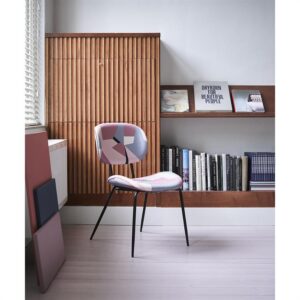
When curating furniture for such a space, supreme craftsmanship, artisanal integrity, and timeless silhouettes take center stage. Exemplary Japandi style furniture favors a low architectural profile—an homage to traditional Japanese tatami living close to the ground. Extraneous moldings and elaborate ornament yield to impeccable proportions and the expressive grain of authentic timber. Everything is distinctly horizontal, pared back to the essentials, yet ergonomic and thoughtfully scaled to the human form. When curating furniture for such a space, supreme craftsmanship, artisanal integrity, and timeless silhouettes take center stage. Exemplary Japandi style furniture favors a low architectural profile—an homage to traditional Japanese tatami living close to the ground. Extraneous moldings and elaborate ornament yield to impeccable proportions and the expressive grain of authentic timber. Everything is distinctly horizontal, pared back to the essentials, yet ergonomic and thoughtfully scaled to the human form. When curating furniture for such a space, supreme craftsmanship, artisanal integrity, and timeless silhouettes take center stage. Exemplary Japandi style furniture favors a low architectural profile—an homage to traditional Japanese tatami living close to the ground. Extraneous moldings and elaborate ornament yield to impeccable proportions and the expressive grain of authentic timber. Everything is distinctly horizontal, pared back to the essentials, yet ergonomic and thoughtfully scaled to the human form. When curating furniture for such a space, supreme craftsmanship, artisanal integrity, and timeless silhouettes take center stage. Exemplary Japandi style furniture favors a low architectural profile—an homage to traditional Japanese tatami living close to the ground. Extraneous moldings and elaborate ornament yield to impeccable proportions and the expressive grain of authentic timber. Everything is distinctly horizontal, pared back to the essentials, yet ergonomic and thoughtfully scaled to the human form. When curating furniture for such a space, supreme craftsmanship, artisanal integrity, and timeless silhouettes take center stage. Exemplary Japandi style furniture favors a low architectural profile—an homage to traditional Japanese tatami living close to the ground. Extraneous moldings and elaborate ornament yield to impeccable proportions and the expressive grain of authentic timber. Everything is distinctly horizontal, pared back to the essentials, yet ergonomic and thoughtfully scaled to the human form. When curating furniture for such a space, supreme craftsmanship, artisanal integrity, and timeless silhouettes take center stage. Exemplary Japandi style furniture favors a low architectural profile—an homage to traditional Japanese tatami living close to the ground. Extraneous moldings and elaborate ornament yield to impeccable proportions and the expressive grain of authentic timber. Everything is distinctly horizontal, pared back to the essentials, yet ergonomic and thoughtfully scaled to the human form. When curating furniture for such a space, supreme craftsmanship, artisanal integrity, and timeless silhouettes take center stage. Exemplary Japandi style furniture favors a low architectural profile—an homage to traditional Japanese tatami living close to the ground. Extraneous moldings and elaborate ornament yield to impeccable proportions and the expressive grain of authentic timber. Everything is distinctly horizontal, pared back to the essentials, yet ergonomic and thoughtfully scaled to the human form. When curating furniture for such a space, supreme craftsmanship, artisanal integrity, and timeless silhouettes take center stage. Exemplary Japandi style furniture favors a low architectural profile—an homage to traditional Japanese tatami living close to the ground. Extraneous moldings and elaborate ornament yield to impeccable proportions and the expressive grain of authentic timber. Everything is distinctly horizontal, pared back to the essentials, yet ergonomic and thoughtfully scaled to the human form. When curating furniture for such a space, supreme craftsmanship, artisanal integrity, and timeless silhouettes take center stage. Exemplary Japandi furniture favors a low architectural profile—an homage to traditional Japanese tatami living close to the ground. Extraneous moldings and elaborate ornament yield to impeccable proportions and the expressive grain of authentic timber. Everything is distinctly horizontal, pared back to the essentials, yet ergonomic and thoughtfully scaled to the human form. When curating furniture for such a space, supreme craftsmanship, artisanal integrity, and timeless silhouettes take center stage. Exemplary Japandi furniture favors a low architectural profile—an homage to traditional Japanese tatami living close to the ground. Extraneous moldings and elaborate ornament yield to impeccable proportions and the expressive grain of authentic timber. Everything is distinctly horizontal, pared back to the essentials, yet ergonomic and thoughtfully scaled to the human form. When curating furniture for such a space, supreme craftsmanship, artisanal integrity, and timeless silhouettes take center stage. Exemplary Japandi furniture favors a low architectural profile—an homage to traditional Japanese tatami living close to the ground. Extraneous moldings and elaborate ornament yield to impeccable proportions and the expressive grain of authentic timber. Everything is distinctly horizontal, pared back to the essentials, yet ergonomic and thoughtfully scaled to the human form. When curating furniture for such a space, supreme craftsmanship, artisanal integrity, and timeless silhouettes take center stage. Exemplary Japandi furniture favors a low architectural profile—an homage to traditional Japanese tatami living close to the ground. Extraneous moldings and elaborate ornament yield to impeccable proportions and the expressive grain of authentic timber. Everything is distinctly horizontal, pared back to the essentials, yet ergonomic and thoughtfully scaled to the human form. When curating furniture for such a space, supreme craftsmanship, artisanal integrity, and timeless silhouettes take center stage. Exemplary Japandi furniture favors a low architectural profile—an homage to traditional Japanese tatami living close to the ground. Extraneous moldings and elaborate ornament yield to impeccable proportions and the expressive grain of authentic timber. Everything is distinctly horizontal, pared back to the essentials, yet ergonomic and thoughtfully scaled to the human form. When curating furniture for such a space, supreme craftsmanship, artisanal integrity, and timeless silhouettes take center stage. Exemplary Japandi furniture favors a low architectural profile—an homage to traditional Japanese tatami living close to the ground. Extraneous moldings and elaborate ornament yield to impeccable proportions and the expressive grain of authentic timber. Everything is distinctly horizontal, pared back to the essentials, yet ergonomic and thoughtfully scaled to the human form. When curating furniture for such a space, supreme craftsmanship, artisanal integrity, and timeless silhouettes take center stage. Exemplary Japandi furniture favors a low architectural profile—an homage to traditional Japanese tatami living close to the ground. Extraneous moldings and elaborate ornament yield to impeccable proportions and the expressive grain of authentic timber. Everything is distinctly horizontal, pared back to the essentials, yet ergonomic and thoughtfully scaled to the human form. When curating furniture for such a space, supreme craftsmanship, artisanal integrity, and timeless silhouettes take center stage. Exemplary Japandi furniture favors a low architectural profile—an homage to traditional Japanese tatami living close to the ground. Extraneous moldings and elaborate ornament yield to impeccable proportions and the expressive grain of authentic timber. Everything is distinctly horizontal, pared back to the essentials, yet ergonomic and thoughtfully scaled to the human form. When curating furniture for such a space, supreme craftsmanship, artisanal integrity, and timeless silhouettes take center stage. Exemplary Japandi furniture favors a low architectural profile—an homage to traditional Japanese tatami living close to the ground. Extraneous moldings and elaborate ornament yield to impeccable proportions and the expressive grain of authentic timber. Everything is distinctly horizontal, pared back to the essentials, yet ergonomic and thoughtfully scaled to the human form. When curating furniture for such a space, supreme craftsmanship, artisanal integrity, and timeless silhouettes take center stage. Exemplary Japandi furniture favors a low architectural profile—an homage to traditional Japanese tatami living close to the ground. Extraneous moldings and elaborate ornament yield to impeccable proportions and the expressive grain of authentic timber. Everything is distinctly horizontal, pared back to the essentials, yet ergonomic and thoughtfully scaled to the human form. When curating furniture for such a space, supreme craftsmanship, artisanal integrity, and timeless silhouettes take center stage. Exemplary Japandi furniture favors a low architectural profile—an homage to traditional Japanese tatami living close to the ground. Extraneous moldings and elaborate ornament yield to impeccable proportions and the expressive grain of authentic timber. Everything is distinctly horizontal, pared back to the essentials, yet ergonomic and thoughtfully scaled to the human form. When curating furniture for such a space, supreme craftsmanship, artisanal integrity, and timeless silhouettes take center stage. Exemplary Japandi furniture favors a low architectural profile—an homage to traditional Japanese tatami living close to the ground. Extraneous moldings and elaborate ornament yield to impeccable proportions and the expressive grain of authentic timber. Everything is distinctly horizontal, pared back to the essentials, yet ergonomic and thoughtfully scaled to the human form.
Materials and Textures in Japandi (Linen, Bamboo, Stone, Raw Timber)
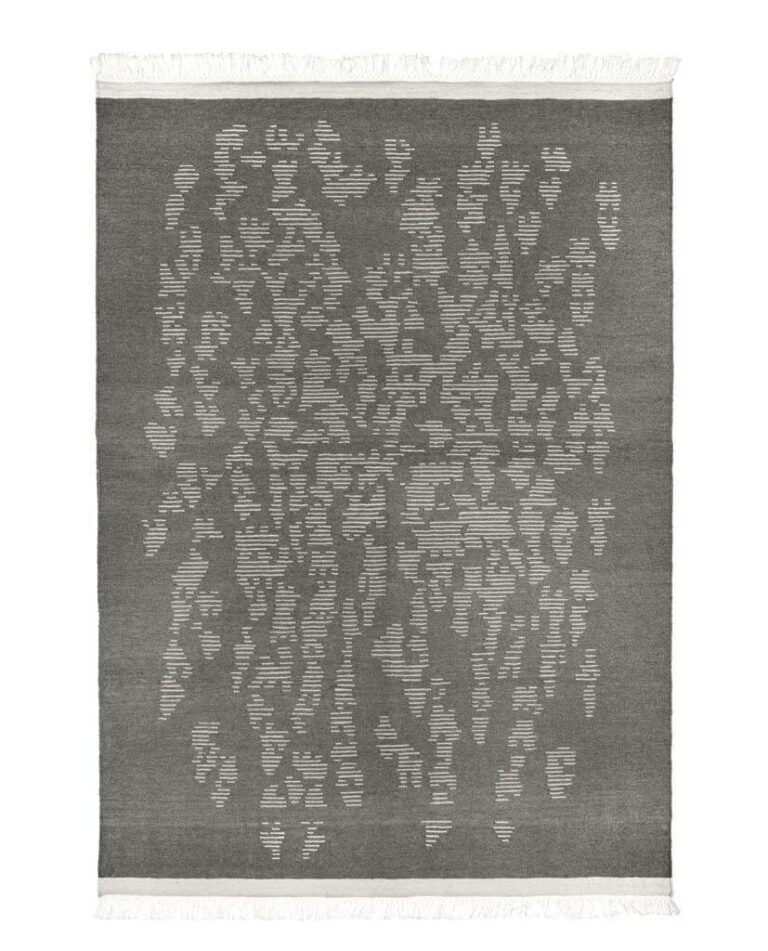
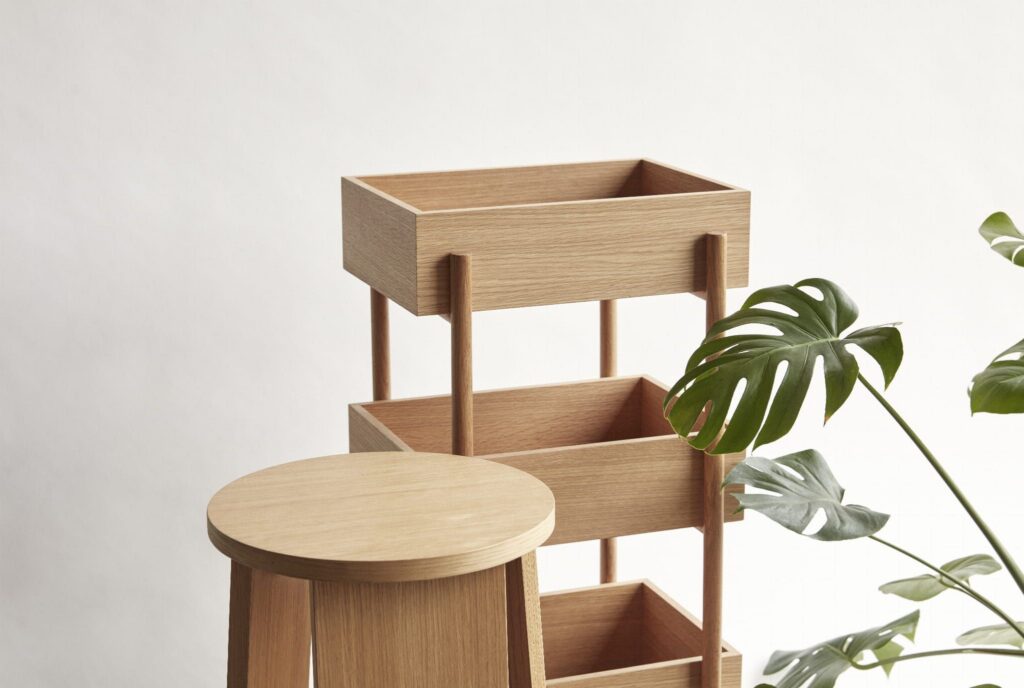
The mastery of Japandi lies in its sensory dialogue of organic materials and rich textures. Undyed, slubbed linen brings an unpretentious tactile softness to living spaces and suites. Elements of bamboo, rattan, classic caning, and translucent washi paper filter daylight with poetic lightness throughout the room. Meanwhile, honed limestone, brushed marble, and raw, matte-finished solid wood anchor the home in the timeless beauty of the natural world. The mastery of Japandi lies in its sensory dialogue of organic materials and rich textures. Undyed, slubbed linen brings an unpretentious tactile softness to living spaces and suites. Elements of bamboo, rattan, classic caning, and translucent washi paper filter daylight with poetic lightness throughout the room. Meanwhile, honed limestone, brushed marble, and raw, matte-finished solid wood anchor the home in the timeless beauty of the natural world. The mastery of Japandi lies in its sensory dialogue of organic materials and rich textures. Undyed, slubbed linen brings an unpretentious tactile softness to living spaces and suites. Elements of bamboo, rattan, classic caning, and translucent washi paper filter daylight with poetic lightness throughout the room. Meanwhile, honed limestone, brushed marble, and raw, matte-finished solid wood anchor the home in the timeless beauty of the natural world. The mastery of Japandi lies in its sensory dialogue of organic materials and rich textures. Undyed, slubbed linen brings an unpretentious tactile softness to living spaces and suites. Elements of bamboo, rattan, classic caning, and translucent washi paper filter daylight with poetic lightness throughout the room. Meanwhile, honed limestone, brushed marble, and raw, matte-finished solid wood anchor the home in the timeless beauty of the natural world. The mastery of Japandi lies in its sensory dialogue of organic materials and rich textures. Undyed, slubbed linen brings an unpretentious tactile softness to living spaces and suites. Elements of bamboo, rattan, classic caning, and translucent washi paper filter daylight with poetic lightness throughout the room. Meanwhile, honed limestone, brushed marble, and raw, matte-finished solid wood anchor the home in the timeless beauty of the natural world. The mastery of Japandi lies in its sensory dialogue of organic materials and rich textures. Undyed, slubbed linen brings an unpretentious tactile softness to living spaces and suites. Elements of bamboo, rattan, classic caning, and translucent washi paper filter daylight with poetic lightness throughout the room. Meanwhile, honed limestone, brushed marble, and raw, matte-finished solid wood anchor the home in the timeless beauty of the natural world. The mastery of Japandi lies in its sensory dialogue of organic materials and rich textures. Undyed, slubbed linen brings an unpretentious tactile softness to living spaces and suites. Elements of bamboo, rattan, classic caning, and translucent washi paper filter daylight with poetic lightness throughout the room. Meanwhile, honed limestone, brushed marble, and raw, matte-finished solid wood anchor the home in the timeless beauty of the natural world. The mastery of Japandi lies in its sensory dialogue of organic materials and rich textures. Undyed, slubbed linen brings an unpretentious tactile softness to living spaces and suites. Elements of bamboo, rattan, classic caning, and translucent washi paper filter daylight with poetic lightness throughout the room. Meanwhile, honed limestone, brushed marble, and raw, matte-finished solid wood anchor the home in the timeless beauty of the natural world. The mastery of Japandi lies in its sensory dialogue of organic materials and rich textures. Undyed, slubbed linen brings an unpretentious tactile softness to living spaces and suites. Elements of bamboo, rattan, classic caning, and translucent washi paper filter daylight with poetic lightness throughout the room. Meanwhile, honed limestone, brushed marble, and raw, matte-finished solid wood anchor the home in the timeless beauty of the natural world. The mastery of Japandi lies in its sensory dialogue of organic materials and rich textures. Undyed, slubbed linen brings an unpretentious tactile softness to living spaces and suites. Elements of bamboo, rattan, classic caning, and translucent washi paper filter daylight with poetic lightness throughout the room. Meanwhile, honed limestone, brushed marble, and raw, matte-finished solid wood anchor the home in the timeless beauty of the natural world. The mastery of Japandi lies in its sensory dialogue of organic materials and rich textures. Undyed, slubbed linen brings an unpretentious tactile softness to living spaces and suites. Elements of bamboo, rattan, classic caning, and translucent washi paper filter daylight with poetic lightness throughout the room. Meanwhile, honed limestone, brushed marble, and raw, matte-finished solid wood anchor the home in the timeless beauty of the natural world. The mastery of Japandi lies in its sensory dialogue of organic materials and rich textures. Undyed, slubbed linen brings an unpretentious tactile softness to living spaces and suites. Elements of bamboo, rattan, classic caning, and translucent washi paper filter daylight with poetic lightness throughout the room. Meanwhile, honed limestone, brushed marble, and raw, matte-finished solid wood anchor the home in the timeless beauty of the natural world. The mastery of Japandi lies in its sensory dialogue of organic materials and rich textures. Undyed, slubbed linen brings an unpretentious tactile softness to living spaces and suites. Elements of bamboo, rattan, classic caning, and translucent washi paper filter daylight with poetic lightness throughout the room. Meanwhile, honed limestone, brushed marble, and raw, matte-finished solid wood anchor the home in the timeless beauty of the natural world. The mastery of Japandi lies in its sensory dialogue of organic materials and rich textures. Undyed, slubbed linen brings an unpretentious tactile softness to living spaces and suites. Elements of bamboo, rattan, classic caning, and translucent washi paper filter daylight with poetic lightness throughout the room. Meanwhile, honed limestone, brushed marble, and raw, matte-finished solid wood anchor the home in the timeless beauty of the natural world. The mastery of Japandi lies in its sensory dialogue of organic materials and rich textures. Undyed, slubbed linen brings an unpretentious tactile softness to living spaces and suites. Elements of bamboo, rattan, classic caning, and translucent washi paper filter daylight with poetic lightness throughout the room. Meanwhile, honed limestone, brushed marble, and raw, matte-finished solid wood anchor the home in the timeless beauty of the natural world. The mastery of Japandi lies in its sensory dialogue of organic materials and rich textures. Undyed, slubbed linen brings an unpretentious tactile softness to living spaces and suites. Elements of bamboo, rattan, classic caning, and translucent washi paper filter daylight with poetic lightness throughout the room. Meanwhile, honed limestone, brushed marble, and raw, matte-finished solid wood anchor the home in the timeless beauty of the natural world. The mastery of Japandi lies in its sensory dialogue of organic materials and rich textures. Undyed, slubbed linen brings an unpretentious tactile softness to living spaces and suites. Elements of bamboo, rattan, classic caning, and translucent washi paper filter daylight with poetic lightness throughout the room. Meanwhile, honed limestone, brushed marble, and raw, matte-finished solid wood anchor the home in the timeless beauty of the natural world. The mastery of Japandi lies in its sensory dialogue of organic materials and rich textures. Undyed, slubbed linen brings an unpretentious tactile softness to living spaces and suites. Elements of bamboo, rattan, classic caning, and translucent washi paper filter daylight with poetic lightness throughout the room. Meanwhile, honed limestone, brushed marble, and raw, matte-finished solid wood anchor the home in the timeless beauty of the natural world. The mastery of Japandi lies in its sensory dialogue of organic materials and rich textures. Undyed, slubbed linen brings an unpretentious tactile softness to living spaces and suites. Elements of bamboo, rattan, classic caning, and translucent washi paper filter daylight with poetic lightness throughout the room. Meanwhile, honed limestone, brushed marble, and raw, matte-finished solid wood anchor the home in the timeless beauty of the natural world. The mastery of Japandi lies in its sensory dialogue of organic materials and rich textures. Undyed, slubbed linen brings an unpretentious tactile softness to living spaces and suites. Elements of bamboo, rattan, classic caning, and translucent washi paper filter daylight with poetic lightness throughout the room. Meanwhile, honed limestone, brushed marble, and raw, matte-finished solid wood anchor the home in the timeless beauty of the natural world.
Japandi Lighting – Inspiring Minimalism
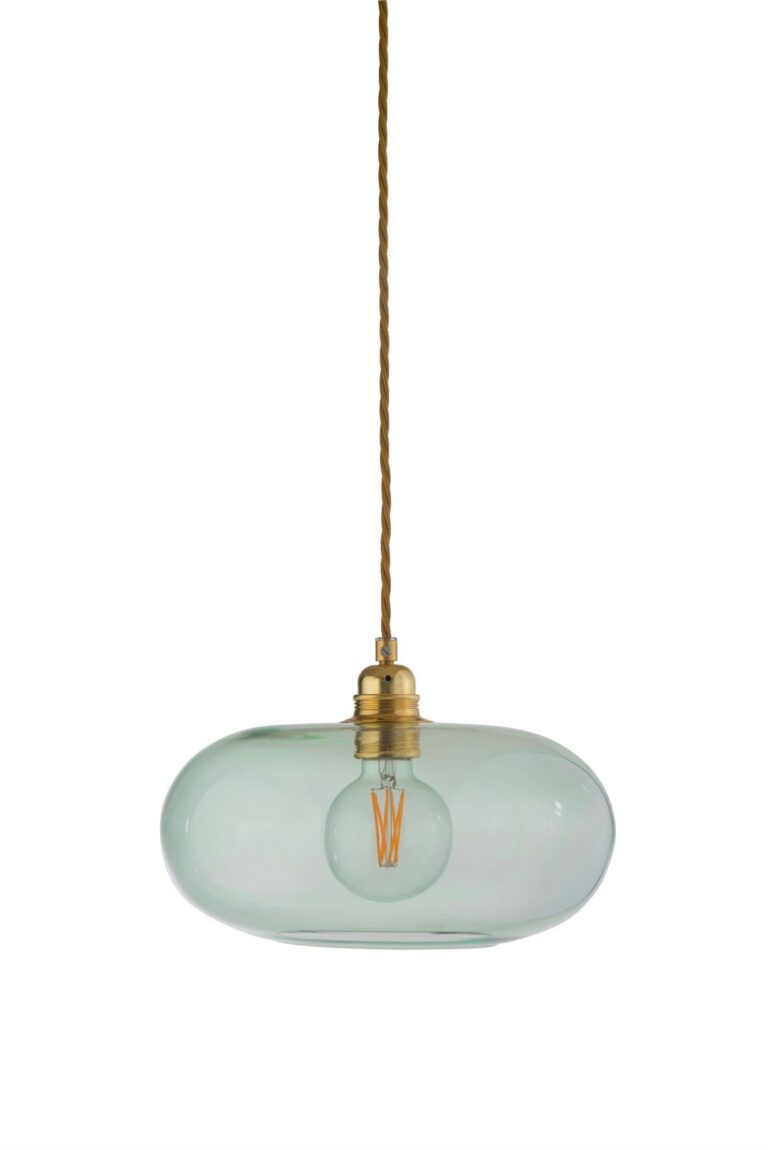
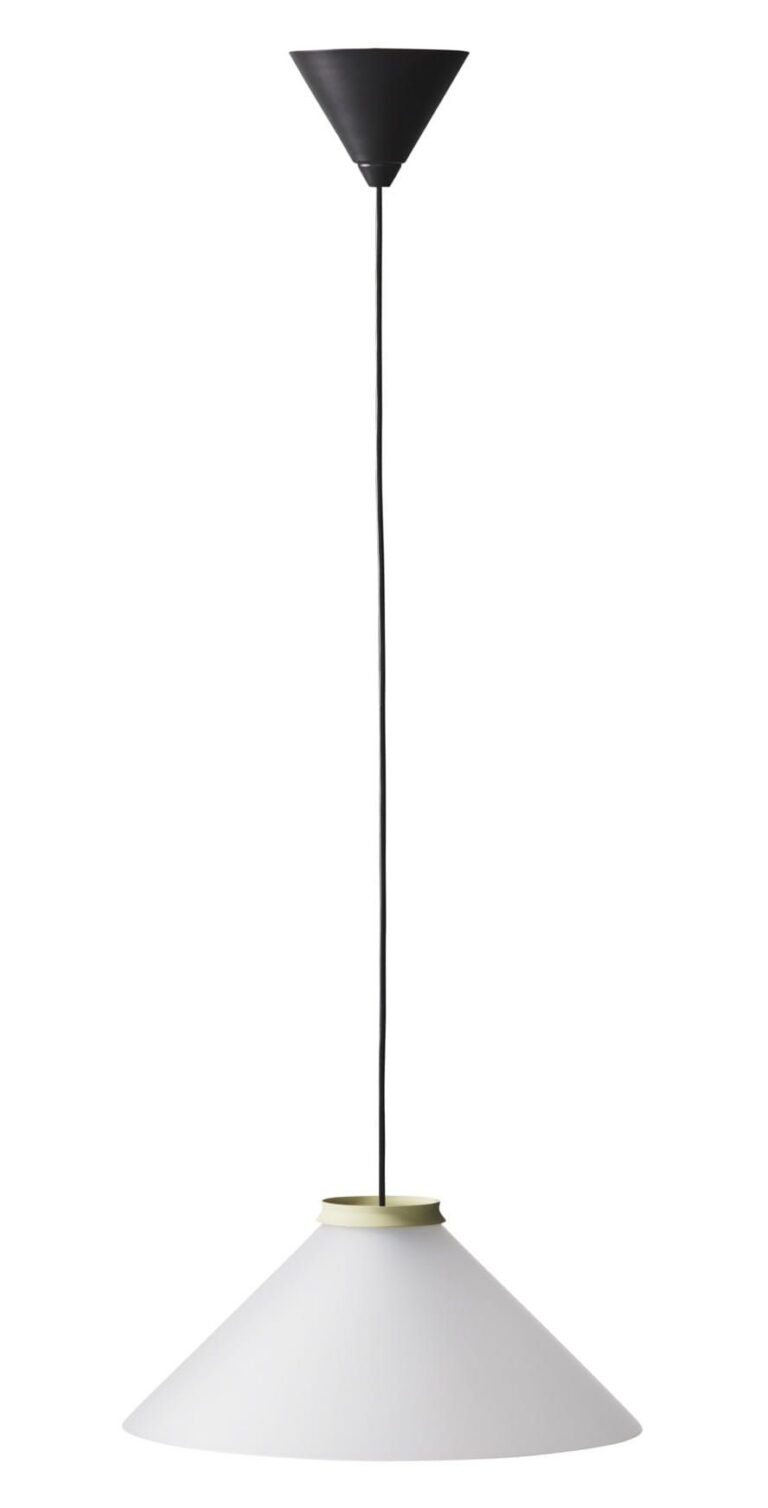
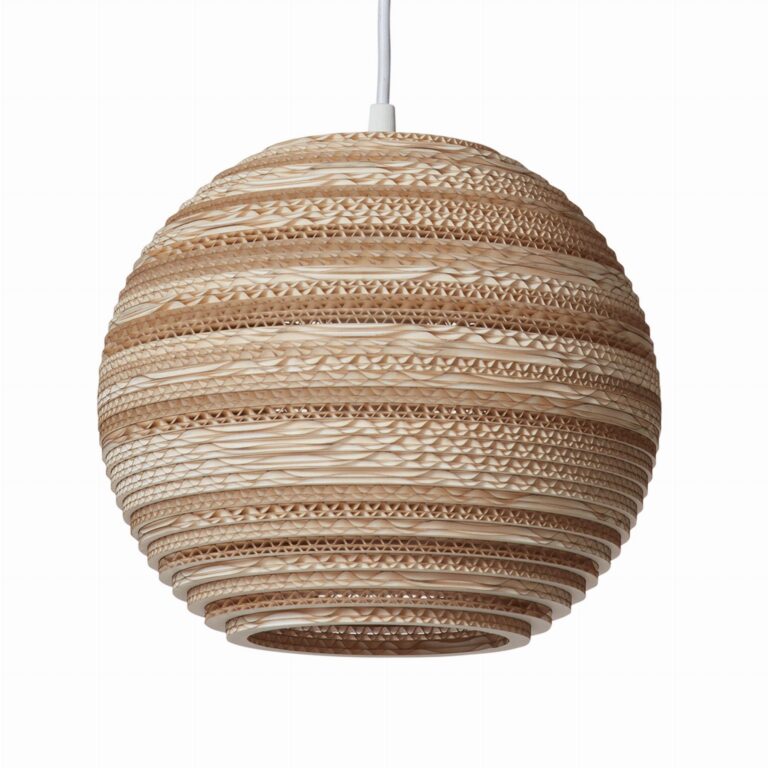
The way a room is illuminated fundamentally dictates its spirit as twilight falls. When selecting Japandi fixtures, prioritize organic, sculptural silhouettes and pure spherical geometries. Hand-blown glass globes suspended low over dining tables, paper lanterns recalling Isamu Noguchi's Akari lamps, and ceramic wall sconces casting gentle ambient halos are quintessential choices. Lighting exists not merely for illumination, but to foster serenity, warmth, and quiet contemplation. The way a room is illuminated fundamentally dictates its spirit as twilight falls. When selecting Japandi fixtures, prioritize organic, sculptural silhouettes and pure spherical geometries. Hand-blown glass globes suspended low over dining tables, paper lanterns recalling Isamu Noguchi's Akari lamps, and ceramic wall sconces casting gentle ambient halos are quintessential choices. Lighting exists not merely for illumination, but to foster serenity, warmth, and quiet contemplation. The way a room is illuminated fundamentally dictates its spirit as twilight falls. When selecting Japandi fixtures, prioritize organic, sculptural silhouettes and pure spherical geometries. Hand-blown glass globes suspended low over dining tables, paper lanterns recalling Isamu Noguchi's Akari lamps, and ceramic wall sconces casting gentle ambient halos are quintessential choices. Lighting exists not merely for illumination, but to foster serenity, warmth, and quiet contemplation. The way a room is illuminated fundamentally dictates its spirit as twilight falls. When selecting Japandi fixtures, prioritize organic, sculptural silhouettes and pure spherical geometries. Hand-blown glass globes suspended low over dining tables, paper lanterns recalling Isamu Noguchi's Akari lamps, and ceramic wall sconces casting gentle ambient halos are quintessential choices. Lighting exists not merely for illumination, but to foster serenity, warmth, and quiet contemplation. The way a room is illuminated fundamentally dictates its spirit as twilight falls. When selecting Japandi fixtures, prioritize organic, sculptural silhouettes and pure spherical geometries. Hand-blown glass globes suspended low over dining tables, paper lanterns recalling Isamu Noguchi's Akari lamps, and ceramic wall sconces casting gentle ambient halos are quintessential choices. Lighting exists not merely for illumination, but to foster serenity, warmth, and quiet contemplation. The way a room is illuminated fundamentally dictates its spirit as twilight falls. When selecting Japandi fixtures, prioritize organic, sculptural silhouettes and pure spherical geometries. Hand-blown glass globes suspended low over dining tables, paper lanterns recalling Isamu Noguchi's Akari lamps, and ceramic wall sconces casting gentle ambient halos are quintessential choices. Lighting exists not merely for illumination, but to foster serenity, warmth, and quiet contemplation. The way a room is illuminated fundamentally dictates its spirit as twilight falls. When selecting Japandi fixtures, prioritize organic, sculptural silhouettes and pure spherical geometries. Hand-blown glass globes suspended low over dining tables, paper lanterns recalling Isamu Noguchi's Akari lamps, and ceramic wall sconces casting gentle ambient halos are quintessential choices. Lighting exists not merely for illumination, but to foster serenity, warmth, and quiet contemplation. The way a room is illuminated fundamentally dictates its spirit as twilight falls. When selecting Japandi fixtures, prioritize organic, sculptural silhouettes and pure spherical geometries. Hand-blown glass globes suspended low over dining tables, paper lanterns recalling Isamu Noguchi's Akari lamps, and ceramic wall sconces casting gentle ambient halos are quintessential choices. Lighting exists not merely for illumination, but to foster serenity, warmth, and quiet contemplation. The way a room is illuminated fundamentally dictates its spirit as twilight falls. When selecting Japandi fixtures, prioritize organic, sculptural silhouettes and pure spherical geometries. Hand-blown glass globes suspended low over dining tables, paper lanterns recalling Isamu Noguchi's Akari lamps, and ceramic wall sconces casting gentle ambient halos are quintessential choices. Lighting exists not merely for illumination, but to foster serenity, warmth, and quiet contemplation. The way a room is illuminated fundamentally dictates its spirit as twilight falls. When selecting Japandi fixtures, prioritize organic, sculptural silhouettes and pure spherical geometries. Hand-blown glass globes suspended low over dining tables, paper lanterns recalling Isamu Noguchi's Akari lamps, and ceramic wall sconces casting gentle ambient halos are quintessential choices. Lighting exists not merely for illumination, but to foster serenity, warmth, and quiet contemplation. The way a room is illuminated fundamentally dictates its spirit as twilight falls. When selecting Japandi fixtures, prioritize organic, sculptural silhouettes and pure spherical geometries. Hand-blown glass globes suspended low over dining tables, paper lanterns recalling Isamu Noguchi's Akari lamps, and ceramic wall sconces casting gentle ambient halos are quintessential choices. Lighting exists not merely for illumination, but to foster serenity, warmth, and quiet contemplation. The way a room is illuminated fundamentally dictates its spirit as twilight falls. When selecting Japandi fixtures, prioritize organic, sculptural silhouettes and pure spherical geometries. Hand-blown glass globes suspended low over dining tables, paper lanterns recalling Isamu Noguchi's Akari lamps, and ceramic wall sconces casting gentle ambient halos are quintessential choices. Lighting exists not merely for illumination, but to foster serenity, warmth, and quiet contemplation. The way a room is illuminated fundamentally dictates its spirit as twilight falls. When selecting Japandi fixtures, prioritize organic, sculptural silhouettes and pure spherical geometries. Hand-blown glass globes suspended low over dining tables, paper lanterns recalling Isamu Noguchi's Akari lamps, and ceramic wall sconces casting gentle ambient halos are quintessential choices. Lighting exists not merely for illumination, but to foster serenity, warmth, and quiet contemplation. The way a room is illuminated fundamentally dictates its spirit as twilight falls. When selecting Japandi fixtures, prioritize organic, sculptural silhouettes and pure spherical geometries. Hand-blown glass globes suspended low over dining tables, paper lanterns recalling Isamu Noguchi's Akari lamps, and ceramic wall sconces casting gentle ambient halos are quintessential choices. Lighting exists not merely for illumination, but to foster serenity, warmth, and quiet contemplation. The way a room is illuminated fundamentally dictates its spirit as twilight falls. When selecting Japandi fixtures, prioritize organic, sculptural silhouettes and pure spherical geometries. Hand-blown glass globes suspended low over dining tables, paper lanterns recalling Isamu Noguchi's Akari lamps, and ceramic wall sconces casting gentle ambient halos are quintessential choices. Lighting exists not merely for illumination, but to foster serenity, warmth, and quiet contemplation. The way a room is illuminated fundamentally dictates its spirit as twilight falls. When selecting Japandi fixtures, prioritize organic, sculptural silhouettes and pure spherical geometries. Hand-blown glass globes suspended low over dining tables, paper lanterns recalling Isamu Noguchi's Akari lamps, and ceramic wall sconces casting gentle ambient halos are quintessential choices. Lighting exists not merely for illumination, but to foster serenity, warmth, and quiet contemplation. The way a room is illuminated fundamentally dictates its spirit as twilight falls. When selecting Japandi fixtures, prioritize organic, sculptural silhouettes and pure spherical geometries. Hand-blown glass globes suspended low over dining tables, paper lanterns recalling Isamu Noguchi's Akari lamps, and ceramic wall sconces casting gentle ambient halos are quintessential choices. Lighting exists not merely for illumination, but to foster serenity, warmth, and quiet contemplation. The way a room is illuminated fundamentally dictates its spirit as twilight falls. When selecting Japandi fixtures, prioritize organic, sculptural silhouettes and pure spherical geometries. Hand-blown glass globes suspended low over dining tables, paper lanterns recalling Isamu Noguchi's Akari lamps, and ceramic wall sconces casting gentle ambient halos are quintessential choices. Lighting exists not merely for illumination, but to foster serenity, warmth, and quiet contemplation. The way a room is illuminated fundamentally dictates its spirit as twilight falls. When selecting Japandi fixtures, prioritize organic, sculptural silhouettes and pure spherical geometries. Hand-blown glass globes suspended low over dining tables, paper lanterns recalling Isamu Noguchi's Akari lamps, and ceramic wall sconces casting gentle ambient halos are quintessential choices. Lighting exists not merely for illumination, but to foster serenity, warmth, and quiet contemplation. The way a room is illuminated fundamentally dictates its spirit as twilight falls. When selecting Japandi fixtures, prioritize organic, sculptural silhouettes and pure spherical geometries. Hand-blown glass globes suspended low over dining tables, paper lanterns recalling Isamu Noguchi's Akari lamps, and ceramic wall sconces casting gentle ambient halos are quintessential choices. Lighting exists not merely for illumination, but to foster serenity, warmth, and quiet contemplation.
Japandi vs. Scandinavian Design – Distinctions and Affinities
While both movements celebrate minimalism, natural materials, and abundant light, nuanced differences set them apart. Scandinavian decor leans crisp and sunny, focusing on cozy conviviality and hygge comfort. Japandi, by contrast, introduces greater architectural dignity and quiet poise. Japanese sensibilities temper Nordic breeziness with an appreciation for wabi-sabi patina, shadow, and purposeful sensory restraint. While both movements celebrate minimalism, natural materials, and abundant light, nuanced differences set them apart. Scandinavian decor leans crisp and sunny, focusing on cozy conviviality and hygge comfort. Japandi, by contrast, introduces greater architectural dignity and quiet poise. Japanese sensibilities temper Nordic breeziness with an appreciation for wabi-sabi patina, shadow, and purposeful sensory restraint. While both movements celebrate minimalism, natural materials, and abundant light, nuanced differences set them apart. Scandinavian decor leans crisp and sunny, focusing on cozy conviviality and hygge comfort. Japandi, by contrast, introduces greater architectural dignity and quiet poise. Japanese sensibilities temper Nordic breeziness with an appreciation for wabi-sabi patina, shadow, and purposeful sensory restraint. While both movements celebrate minimalism, natural materials, and abundant light, nuanced differences set them apart. Scandinavian decor leans crisp and sunny, focusing on cozy conviviality and hygge comfort. Japandi, by contrast, introduces greater architectural dignity and quiet poise. Japanese sensibilities temper Nordic breeziness with an appreciation for wabi-sabi patina, shadow, and purposeful sensory restraint. While both movements celebrate minimalism, natural materials, and abundant light, nuanced differences set them apart. Scandinavian decor leans crisp and sunny, focusing on cozy conviviality and hygge comfort. Japandi, by contrast, introduces greater architectural dignity and quiet poise. Japanese sensibilities temper Nordic breeziness with an appreciation for wabi-sabi patina, shadow, and purposeful sensory restraint. While both movements celebrate minimalism, natural materials, and abundant light, nuanced differences set them apart. Scandinavian decor leans crisp and sunny, focusing on cozy conviviality and hygge comfort. Japandi, by contrast, introduces greater architectural dignity and quiet poise. Japanese sensibilities temper Nordic breeziness with an appreciation for wabi-sabi patina, shadow, and purposeful sensory restraint. While both movements celebrate minimalism, natural materials, and abundant light, nuanced differences set them apart. Scandinavian decor leans crisp and sunny, focusing on cozy conviviality and hygge comfort. Japandi, by contrast, introduces greater architectural dignity and quiet poise. Japanese sensibilities temper Nordic breeziness with an appreciation for wabi-sabi patina, shadow, and purposeful sensory restraint. While both movements celebrate minimalism, natural materials, and abundant light, nuanced differences set them apart. Scandinavian decor leans crisp and sunny, focusing on cozy conviviality and hygge comfort. Japandi, by contrast, introduces greater architectural dignity and quiet poise. Japanese sensibilities temper Nordic breeziness with an appreciation for wabi-sabi patina, shadow, and purposeful sensory restraint. While both movements celebrate minimalism, natural materials, and abundant light, nuanced differences set them apart. Scandinavian decor leans crisp and sunny, focusing on cozy conviviality and hygge comfort. Japandi, by contrast, introduces greater architectural dignity and quiet poise. Japanese sensibilities temper Nordic breeziness with an appreciation for wabi-sabi patina, shadow, and purposeful sensory restraint. While both movements celebrate minimalism, natural materials, and abundant light, nuanced differences set them apart. Scandinavian decor leans crisp and sunny, focusing on cozy conviviality and hygge comfort. Japandi, by contrast, introduces greater architectural dignity and quiet poise. Japanese sensibilities temper Nordic breeziness with an appreciation for wabi-sabi patina, shadow, and purposeful sensory restraint. While both movements celebrate minimalism, natural materials, and abundant light, nuanced differences set them apart. Scandinavian decor leans crisp and sunny, focusing on cozy conviviality and hygge comfort. Japandi, by contrast, introduces greater architectural dignity and quiet poise. Japanese sensibilities temper Nordic breeziness with an appreciation for wabi-sabi patina, shadow, and purposeful sensory restraint. While both movements celebrate minimalism, natural materials, and abundant light, nuanced differences set them apart. Scandinavian decor leans crisp and sunny, focusing on cozy conviviality and hygge comfort. Japandi, by contrast, introduces greater architectural dignity and quiet poise. Japanese sensibilities temper Nordic breeziness with an appreciation for wabi-sabi patina, shadow, and purposeful sensory restraint. While both movements celebrate minimalism, natural materials, and abundant light, nuanced differences set them apart. Scandinavian decor leans crisp and sunny, focusing on cozy conviviality and hygge comfort. Japandi, by contrast, introduces greater architectural dignity and quiet poise. Japanese sensibilities temper Nordic breeziness with an appreciation for wabi-sabi patina, shadow, and purposeful sensory restraint. While both movements celebrate minimalism, natural materials, and abundant light, nuanced differences set them apart. Scandinavian decor leans crisp and sunny, focusing on cozy conviviality and hygge comfort. Japandi, by contrast, introduces greater architectural dignity and quiet poise. Japanese sensibilities temper Nordic breeziness with an appreciation for wabi-sabi patina, shadow, and purposeful sensory restraint. While both movements celebrate minimalism, natural materials, and abundant light, nuanced differences set them apart. Scandinavian decor leans crisp and sunny, focusing on cozy conviviality and hygge comfort. Japandi, by contrast, introduces greater architectural dignity and quiet poise. Japanese sensibilities temper Nordic breeziness with an appreciation for wabi-sabi patina, shadow, and purposeful sensory restraint. While both movements celebrate minimalism, natural materials, and abundant light, nuanced differences set them apart. Scandinavian decor leans crisp and sunny, focusing on cozy conviviality and hygge comfort. Japandi, by contrast, introduces greater architectural dignity and quiet poise. Japanese sensibilities temper Nordic breeziness with an appreciation for wabi-sabi patina, shadow, and purposeful sensory restraint. While both movements celebrate minimalism, natural materials, and abundant light, nuanced differences set them apart. Scandinavian decor leans crisp and sunny, focusing on cozy conviviality and hygge comfort. Japandi, by contrast, introduces greater architectural dignity and quiet poise. Japanese sensibilities temper Nordic breeziness with an appreciation for wabi-sabi patina, shadow, and purposeful sensory restraint. While both movements celebrate minimalism, natural materials, and abundant light, nuanced differences set them apart. Scandinavian decor leans crisp and sunny, focusing on cozy conviviality and hygge comfort. Japandi, by contrast, introduces greater architectural dignity and quiet poise. Japanese sensibilities temper Nordic breeziness with an appreciation for wabi-sabi patina, shadow, and purposeful sensory restraint. While both movements celebrate minimalism, natural materials, and abundant light, nuanced differences set them apart. Scandinavian decor leans crisp and sunny, focusing on cozy conviviality and hygge comfort. Japandi, by contrast, introduces greater architectural dignity and quiet poise. Japanese sensibilities temper Nordic breeziness with an appreciation for wabi-sabi patina, shadow, and purposeful sensory restraint. While both movements celebrate minimalism, natural materials, and abundant light, nuanced differences set them apart. Scandinavian decor leans crisp and sunny, focusing on cozy conviviality and hygge comfort. Japandi, by contrast, introduces greater architectural dignity and quiet poise. Japanese sensibilities temper Nordic breeziness with an appreciation for wabi-sabi patina, shadow, and purposeful sensory restraint.
How to Begin Designing in Japandi Style? 5 Foundational Steps
First and foremost, embark on mindful decluttering—clearing away visual distractions. Second, cultivate a cohesive palette of warm neutrals across the entire home, establishing fluid transitions between zones. Third, invest in heirloom-quality, low-slung furniture rendered in solid wood. Fourth, layer tactile organic textiles, such as slubbed linen and washed cotton, to soften the architectural canvas. Finally, curate accents with deliberate restraint: display only a handful of artisanal treasures, like wheel-thrown studio ceramics or a single botanical branch in a sculptural vase. First and foremost, embark on mindful decluttering—clearing away visual distractions. Second, cultivate a cohesive palette of warm neutrals across the entire home, establishing fluid transitions between zones. Third, invest in heirloom-quality, low-slung furniture rendered in solid wood. Fourth, layer tactile organic textiles, such as slubbed linen and washed cotton, to soften the architectural canvas. Finally, curate accents with deliberate restraint: display only a handful of artisanal treasures, like wheel-thrown studio ceramics or a single botanical branch in a sculptural vase. First and foremost, embark on mindful decluttering—clearing away visual distractions. Second, cultivate a cohesive palette of warm neutrals across the entire home, establishing fluid transitions between zones. Third, invest in heirloom-quality, low-slung furniture rendered in solid wood. Fourth, layer tactile organic textiles, such as slubbed linen and washed cotton, to soften the architectural canvas. Finally, curate accents with deliberate restraint: display only a handful of artisanal treasures, like wheel-thrown studio ceramics or a single botanical branch in a sculptural vase. First and foremost, embark on mindful decluttering—clearing away visual distractions. Second, cultivate a cohesive palette of warm neutrals across the entire home, establishing fluid transitions between zones. Third, invest in heirloom-quality, low-slung furniture rendered in solid wood. Fourth, layer tactile organic textiles, such as slubbed linen and washed cotton, to soften the architectural canvas. Finally, curate accents with deliberate restraint: display only a handful of artisanal treasures, like wheel-thrown studio ceramics or a single botanical branch in a sculptural vase. First and foremost, embark on mindful decluttering—clearing away visual distractions. Second, cultivate a cohesive palette of warm neutrals across the entire home, establishing fluid transitions between zones. Third, invest in heirloom-quality, low-slung furniture rendered in solid wood. Fourth, layer tactile organic textiles, such as slubbed linen and washed cotton, to soften the architectural canvas. Finally, curate accents with deliberate restraint: display only a handful of artisanal treasures, like wheel-thrown studio ceramics or a single botanical branch in a sculptural vase. First and foremost, embark on mindful decluttering—clearing away visual distractions. Second, cultivate a cohesive palette of warm neutrals across the entire home, establishing fluid transitions between zones. Third, invest in heirloom-quality, low-slung furniture rendered in solid wood. Fourth, layer tactile organic textiles, such as slubbed linen and washed cotton, to soften the architectural canvas. Finally, curate accents with deliberate restraint: display only a handful of artisanal treasures, like wheel-thrown studio ceramics or a single botanical branch in a sculptural vase. First and foremost, embark on mindful decluttering—clearing away visual distractions. Second, cultivate a cohesive palette of warm neutrals across the entire home, establishing fluid transitions between zones. Third, invest in heirloom-quality, low-slung furniture rendered in solid wood. Fourth, layer tactile organic textiles, such as slubbed linen and washed cotton, to soften the architectural canvas. Finally, curate accents with deliberate restraint: display only a handful of artisanal treasures, like wheel-thrown studio ceramics or a single botanical branch in a sculptural vase. First and foremost, embark on mindful decluttering—clearing away visual distractions. Second, cultivate a cohesive palette of warm neutrals across the entire home, establishing fluid transitions between zones. Third, invest in heirloom-quality, low-slung furniture rendered in solid wood. Fourth, layer tactile organic textiles, such as slubbed linen and washed cotton, to soften the architectural canvas. Finally, curate accents with deliberate restraint: display only a handful of artisanal treasures, like wheel-thrown studio ceramics or a single botanical branch in a sculptural vase. First and foremost, embark on mindful decluttering—clearing away visual distractions. Second, cultivate a cohesive palette of warm neutrals across the entire home, establishing fluid transitions between zones. Third, invest in heirloom-quality, low-slung furniture rendered in solid wood. Fourth, layer tactile organic textiles, such as slubbed linen and washed cotton, to soften the architectural canvas. Finally, curate accents with deliberate restraint: display only a handful of artisanal treasures, like wheel-thrown studio ceramics or a single botanical branch in a sculptural vase. First and foremost, embark on mindful decluttering—clearing away visual distractions. Second, cultivate a cohesive palette of warm neutrals across the entire home, establishing fluid transitions between zones. Third, invest in heirloom-quality, low-slung furniture rendered in solid wood. Fourth, layer tactile organic textiles, such as slubbed linen and washed cotton, to soften the architectural canvas. Finally, curate accents with deliberate restraint: display only a handful of artisanal treasures, like wheel-thrown studio ceramics or a single botanical branch in a sculptural vase. First and foremost, embark on mindful decluttering—clearing away visual distractions. Second, cultivate a cohesive palette of warm neutrals across the entire home, establishing fluid transitions between zones. Third, invest in heirloom-quality, low-slung furniture rendered in solid wood. Fourth, layer tactile organic textiles, such as slubbed linen and washed cotton, to soften the architectural canvas. Finally, curate accents with deliberate restraint: display only a handful of artisanal treasures, like wheel-thrown studio ceramics or a single botanical branch in a sculptural vase. First and foremost, embark on mindful decluttering—clearing away visual distractions. Second, cultivate a cohesive palette of warm neutrals across the entire home, establishing fluid transitions between zones. Third, invest in heirloom-quality, low-slung furniture rendered in solid wood. Fourth, layer tactile organic textiles, such as slubbed linen and washed cotton, to soften the architectural canvas. Finally, curate accents with deliberate restraint: display only a handful of artisanal treasures, like wheel-thrown studio ceramics or a single botanical branch in a sculptural vase. First and foremost, embark on mindful decluttering—clearing away visual distractions. Second, cultivate a cohesive palette of warm neutrals across the entire home, establishing fluid transitions between zones. Third, invest in heirloom-quality, low-slung furniture rendered in solid wood. Fourth, layer tactile organic textiles, such as slubbed linen and washed cotton, to soften the architectural canvas. Finally, curate accents with deliberate restraint: display only a handful of artisanal treasures, like wheel-thrown studio ceramics or a single botanical branch in a sculptural vase. First and foremost, embark on mindful decluttering—clearing away visual distractions. Second, cultivate a cohesive palette of warm neutrals across the entire home, establishing fluid transitions between zones. Third, invest in heirloom-quality, low-slung furniture rendered in solid wood. Fourth, layer tactile organic textiles, such as slubbed linen and washed cotton, to soften the architectural canvas. Finally, curate accents with deliberate restraint: display only a handful of artisanal treasures, like wheel-thrown studio ceramics or a single botanical branch in a sculptural vase. First and foremost, embark on mindful decluttering—clearing away visual distractions. Second, cultivate a cohesive palette of warm neutrals across the entire home, establishing fluid transitions between zones. Third, invest in heirloom-quality, low-slung furniture rendered in solid wood. Fourth, layer tactile organic textiles, such as slubbed linen and washed cotton, to soften the architectural canvas. Finally, curate accents with deliberate restraint: display only a handful of artisanal treasures, like wheel-thrown studio ceramics or a single botanical branch in a sculptural vase. First and foremost, embark on mindful decluttering—clearing away visual distractions. Second, cultivate a cohesive palette of warm neutrals across the entire home, establishing fluid transitions between zones. Third, invest in heirloom-quality, low-slung furniture rendered in solid wood. Fourth, layer tactile organic textiles, such as slubbed linen and washed cotton, to soften the architectural canvas. Finally, curate accents with deliberate restraint: display only a handful of artisanal treasures, like wheel-thrown studio ceramics or a single botanical branch in a sculptural vase. First and foremost, embark on mindful decluttering—clearing away visual distractions. Second, cultivate a cohesive palette of warm neutrals across the entire home, establishing fluid transitions between zones. Third, invest in heirloom-quality, low-slung furniture rendered in solid wood. Fourth, layer tactile organic textiles, such as slubbed linen and washed cotton, to soften the architectural canvas. Finally, curate accents with deliberate restraint: display only a handful of artisanal treasures, like wheel-thrown studio ceramics or a single botanical branch in a sculptural vase. First and foremost, embark on mindful decluttering—clearing away visual distractions. Second, cultivate a cohesive palette of warm neutrals across the entire home, establishing fluid transitions between zones. Third, invest in heirloom-quality, low-slung furniture rendered in solid wood. Fourth, layer tactile organic textiles, such as slubbed linen and washed cotton, to soften the architectural canvas. Finally, curate accents with deliberate restraint: display only a handful of artisanal treasures, like wheel-thrown studio ceramics or a single botanical branch in a sculptural vase. First and foremost, embark on mindful decluttering—clearing away visual distractions. Second, cultivate a cohesive palette of warm neutrals across the entire home, establishing fluid transitions between zones. Third, invest in heirloom-quality, low-slung furniture rendered in solid wood. Fourth, layer tactile organic textiles, such as slubbed linen and washed cotton, to soften the architectural canvas. Finally, curate accents with deliberate restraint: display only a handful of artisanal treasures, like wheel-thrown studio ceramics or a single botanical branch in a sculptural vase. First and foremost, embark on mindful decluttering—clearing away visual distractions. Second, cultivate a cohesive palette of warm neutrals across the entire home, establishing fluid transitions between zones. Third, invest in heirloom-quality, low-slung furniture rendered in solid wood. Fourth, layer tactile organic textiles, such as slubbed linen and washed cotton, to soften the architectural canvas. Finally, curate accents with deliberate restraint: display only a handful of artisanal treasures, like wheel-thrown studio ceramics or a single botanical branch in a sculptural vase.
FAQ – Najczęściej zadawane pytania
1. What is Japandi and where does it originate?
Japandi is a hybrid philosophy fusing Japanese wabi-sabi with Scandinavian minimalism (hygge). It harmonizes Northern European functionalism with East Asian aesthetic grace to cultivate calm, contemplative interiors.
2. Is Japandi suitable for a compact apartment?
Absolutely. Thanks to its luminous color palette, organic forms, uncluttered surfaces, and low-profile furniture silhouettes, smaller apartments feel noticeably larger, lighter, and more expansive.
Selected furniture and lighting for this interior
 EBB & FLOW
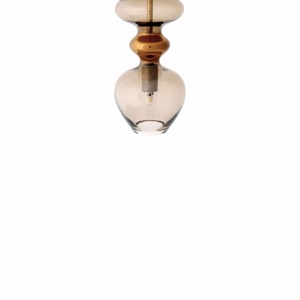
Futura obsidian gold hanging lamp Ø18 L - EBB&FLOW
diameter 18cm 46cm height
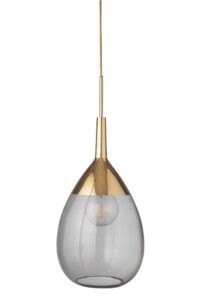 EBB & FLOW
Lute hanging lamp Ø31cm smokey gray gold - Ebb&Flow
diameter 31cm 70cm height
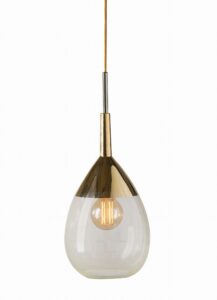 EBB & FLOW
Lute ⏀22 Alabaster hanging lamp, Ebb&Flow glass
The inspiration for the Lute lamp series is a musical instrument - the lute. Us...
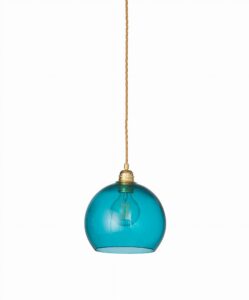 EBB & FLOW
Lampa wisząca Rowan Ø22cm angry sea - Ebb&Flow
diameter 22cm height = 22cm
3. What woods best complement a Japandi interior?
Species featuring gentle grain patterns and warm, neutral undertones without yellow casts excel. White oak, ash, walnut, and sustainable bamboo provide an impeccable balance.
4. Are Japandi and minimalism synonymous?
Not entirely. Traditional minimalism can sometimes feel stark, analytical, and sterile, whereas Japandi is grounded in organic craftsmanship, warm textures, and living ease, crafting environments that are gentle and deeply human.
Do you want to support our development?
We run this blog out of passion for beautiful interiors and good lighting. We do not publish sponsored articles and all opinions presented are 100% independent. If you want to support us, shop in our store bihome.pl or use our referral links when choosing add-ons. For you it's exactly the same cost, and for us it's a chance to create more articles in our free time. Thank you!