The marriage of Scandinavian functionality and Japanese aesthetics has graced design magazines for years. Yet this aesthetic is continually evolving, revealing a newer, more sophisticated chapter. Wondering how Japandi 2.0 differs from wabi-sabi? Let us take a closer look at these two frequently conflated design philosophies.
While both styles stem from an Asian reverence for nature and minimalism, their attitude toward precision and craftsmanship diverges significantly. Understanding these distinctions will empower you to curate your living space with greater intention.
- Wabi-Sabi: The Beauty of Imperfection
- Japandi 2.0: Modern Perfection in Service of Serenity
- Why Japandi 2.0 Triumphs in Modern Homes
Wabi-Sabi: The Beauty of Imperfection
To unpack how Japandi 2.0 differs from wabi-sabi, we must begin with the latter. Wabi-sabi is an ancient Japanese philosophy centered on embracing beauty in what is imperfect, asymmetrical, and gently weathered by time.
Wabi-sabi interiors celebrate aged reclaimed timber, textured lime plaster, and hand-thrown pottery mended with gold lacquer (the art of Kintsugi). It is an earthy, tactile, and poetic aesthetic that never strives for perfection, finding peace in transience.
Japandi 2.0: Modern Perfection in Service of Serenity
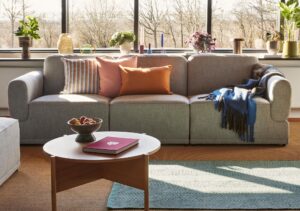
Japandi, particularly in its refined 2.0 evolution, is far more structured and tailored. It borrows warmth and luminous daylight from Scandinavia, harmonizing them with Japanese architectural precision, spatial discipline, and streamlined silhouettes.
Unlike wabi-sabi, furniture and accessories in Japandi style are executed with meticulous craftsmanship. Woods feature smooth, refined finishes, silhouettes favor clean architectural lines or gentle organic curves, and the atmosphere radiates quiet composure. There is no place for haphazard cracks or unfinished edges.
Why Japandi 2.0 Triumphs in Modern Homes
The reason behind Japandi's enduring appeal lies in environmental psychology. Living in a world of constant digital stimulation, coming home calls for a true sanctuary where the senses can rest.
With its pristine clarity, serene muted palette (whites, warm greiges, black graphic accents, and light blond wood), and absence of visual clutter (concealed storage systems), Japandi delivers profound peace of mind while offering consummate functionality for contemporary urban living.
Find more inspiration on our blog section and read about design concepts.
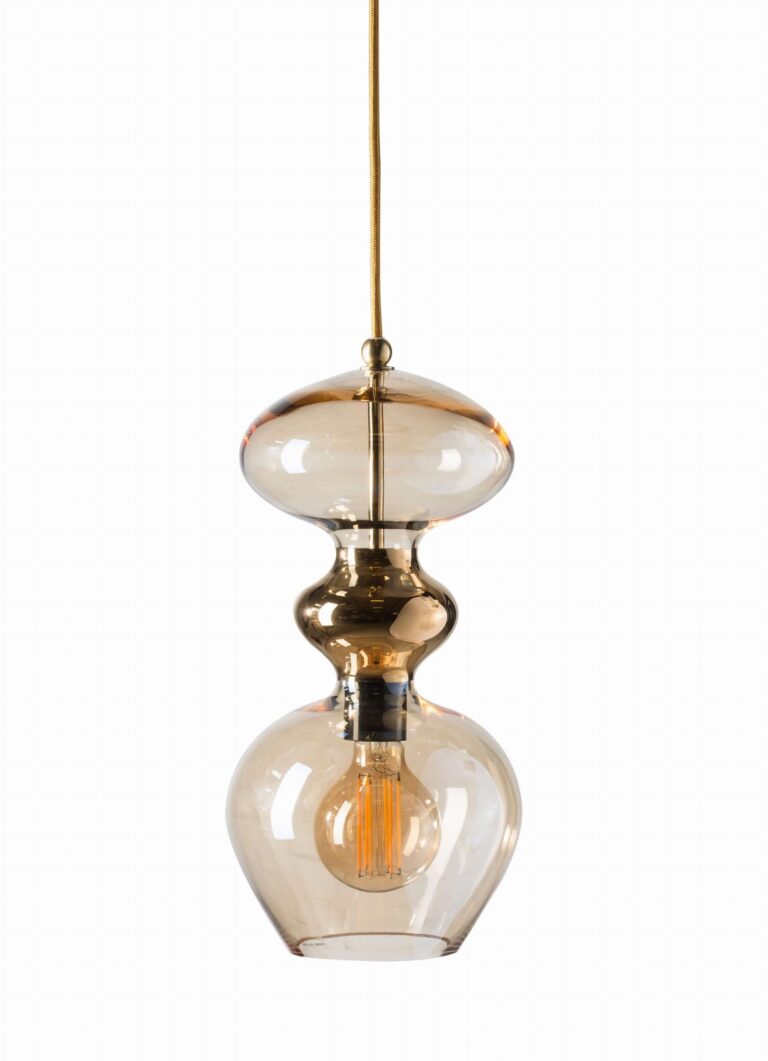
Selected furniture and lighting for this interior

Oblique Armchair Dark Brown Oak Hübsch
The Oblique armchair, dark brown Hubsch oak, is a unique and unique proposition from the Hubsch brand....

Lampa wisząca Eikon Basic ⏀26 cm woskowa Schneid Studio
With a minimalist expression and vivid use of colors, Eikon lighting combines...

Lampa wisząca Junit Torta ⏀12 cm Schneid Studio
The unique Junit lamp inspired by the Bauhaus movement and known for its richness of colors...

Ławka ogrodowa Villa czarna Hubsch
Ławka ogrodowa Villa stal nierdzewna czarna ~ Hubsch. Oczywiście można stosować na zewnątrz. Ławka Villa do...
Where to buy similar furniture and accessories?
If you liked the above arrangement, we have selected the most popular furniture and accessories in this style. Check offers and compare prices directly on Ceneo:
Do you want to support our development?
We run this blog out of passion for beautiful interiors and good lighting. We do not publish sponsored articles and all opinions presented are 100% independent. If you want to support us, shop in our store bihome.pl or use our referral links when choosing add-ons. For you it's exactly the same cost, and for us it's a chance to create more articles in our free time. Thank you!