nn
Choosing the ideal dining chairs is a design decision that only appears simple at first glance. In reality, it is an intricate process requiring careful consideration of scale, architectural proportions, material durability, and aesthetic style. The dining room is the beating heart of the home – a gathering place for shared family meals, unhurried evening conversations with friends, and frequently a spot for remote work or creative study. Consequently, chairs must not only delight the eye, but first and foremost provide exceptional comfort, functional ease, and durability. Whether you are curating a brand-new dining zone or updating existing furnishings, properly pairing chairs with your table is crucial for the room's visual harmony and everyday ease. In this comprehensive guide, we walk you through every essential factor, from foundational ergonomic guidelines to material analysis and spatial planning. Discover how to choose dining chairs step by step according to principles of ergonomics.
n
Before embarking on your search, remember that a table and its chairs form a dedicated duet where both elements must harmonize effortlessly. A chair's striking silhouette matters little if its armrests collide with the apron or its seat height turns dining into a strain. Well-chosen chairs are an investment in daily wellbeing. Proper posture during meals supports digestion, while inviting cushioning encourages lingering at the table. In modern open-plan living where the dining space flows into the lounge, chairs also serve as prominent decorative anchors. They are often among the first pieces noticed upon entering, meaning their design should converse gracefully with the broader interior narrative. Below, you will find proven design guidelines, expert recommendations, and a quick-reference dimension table to guide your selection.
n
Many homeowners make the misstep of choosing chairs based purely on visual charm. Aesthetic beauty is vital, yet it must never eclipse ergonomics. Imagine designer chairs so unforgiving that dinner guests shift uncomfortably after just thirty minutes, or bulky upholstered armchairs that dwarf a petite timber table. To avoid these pitfalls, we must approach seating methodically, evaluating each parameter step by step. We begin with dimensions and clearances – the foundation of dining comfort – before exploring style harmonies, textiles, and layouts. Whether your aesthetic leans contemporary, classic, Scandinavian, or industrial, core ergonomic truths remain universal. Explore our definitive guide to crafting the dining room of your dreams – refined, comfortable, and tailored to your lifestyle.
nn
- Why Is Choosing Dining Chairs Harder Than You Think?
- The Height Rule – Ergonomic Dimensions Table
- Matching Chair Styles to Table Styles – What Pairs Best?
- Dining Chair Materials – Wood, Metal, or Upholstery?
- How Many Chairs for Your Table? Spatial Spacing Rules
- Upholstered vs. Hard Chairs – Which Provides Long-Term Comfort?
- How to Mix and Match Different Chairs Around One Table?
- FAQ
- 1. What Chair Height Is Best for a 75 cm Table?
- 2. Do Dining Chairs Have to Match the Table?
- 3. How Much Width Is Needed per Chair at a Dining Table?
- 4. Are Upholstered Dining Chairs Practical with Kids?
Why Is Choosing Dining Chairs Harder Than You Think?
n
The process of selecting chairs for a dining table is frequently underestimated, often leading to post-purchase frustration. One might assume it is simply a matter of picking a silhouette you love in a color that matches the palette. The reality is far more nuanced. A chair is a piece of furniture with which the human body maintains intimate, sustained contact in a relatively fixed posture. This demands strict ergonomic alignment. An incompatible seat height relative to the tabletop strains the shoulders and neck, causing upper back fatigue and restlessness. Inadequate spacing between seats restricts arm movement when cutting food or standing, while a poorly contoured lumbar backrest quickly causes discomfort during longer gatherings.
n
Another complication stems from varying manufacturing dimensions. While standard benchmarks exist, real-world pieces often deviate by crucial centimeters that make a world of difference ergonomically. A table that seems standard may feature a thicker top or an underlying support apron that drastically reduces legroom. Furthermore, avant-garde design often prioritizes sculptural form over everyday utility. Broad flared armrests, deep reclined seats, or splayed legs might look stunning in an editorial spread, but prove impractical when tucked beneath a daily table. That is why verifying exact measurements and testing seating in person is so invaluable before committing.
n
One must also evaluate spatial context. A dining room is never just a table and seating; it includes circulation paths that allow fluid movement around the room. Oversized, visually dense armchairs can overwhelm a compact apartment, leaving it feeling cramped and crowded. Conversely, delicate spindled chairs can easily get lost within a sprawling loft. Consider also how lighting over the dining table interacts with chair materials. Strategic downlight highlights textured bouclé or reflects warmly off brushed metal hardware. Masterful dining curation demands spatial awareness, ergonomic knowledge, and refined aesthetic sensibility.
n
Frequency and lifestyle patterns are equally decisive. The seating requirements of a dynamic young professional grabbing quick morning espressos differ drastically from a lively household where children tackle homework and host weekend board game nights. Demands for stain resistance, ease of cleaning, and cushioning longevity will diverge dramatically. Reflect honestly on your daily routine. This matrix of considerations – scale, ergonomics, durability, spatial flow, and living habits – makes chair selection an art worth mastering with expert guidance.
n
Lastly, harmonizing chair leg finishes with the table base poses an understated challenge. It might seem that any black powder-coated chair leg will naturally suit a loft table base. In practice, slight variations in steel profile, gauge, or sheen (matte vs. satin vs. textured) can look mismatched. The deeper you look into these nuances, the more dining selection becomes a thoughtful exercise in curated balance. Because a dining table is an investment built to last for decades, companion seating deserves an equally considered approach.
nn
The Height Rule – Ergonomic Dimensions Table
n
One of the most widespread errors in dining design is overlooking the height ratio between tabletop and chair seat. An improper pairing can undermine the most lavish space, making meals uncomfortable. The golden rule lies in maintaining proper clearance between the seat cushion and the underside of the table. Insufficient space traps thighs and impedes natural leg movement, while excessive clearance forces dinner guests to hold their elbows unnaturally high, stressing the neck and shoulders. Proper height ensures planted feet, natural 90-degree knee bends, and comfortable forearms on the tabletop.
n
Ergonomic tradition recommends an optimal clearance of approximately 30 centimeters between the top of the chair seat and the upper surface of the dining tabletop. Equally vital is the clearance between the seat and the table's bottom edge or apron rail, which should measure no less than 20 centimeters to comfortably accommodate thighs. Keep this in mind when selecting solid timber slab tables or framed apron bases that eat into vertical leg clearance. If your chosen chairs feature armrests, verify that they slide cleanly under the tabletop to preserve walkway space when not in use.
n
To simplify your planning, we have outlined standard proportions across three common table formats: classic dining tables, counter/island-height tables, and bar-height tables. Use this reference guide as a reliable starting point. Keep individual body proportions in mind and, where possible, sit at your chosen combination before finalizing your purchase.
n
| Table Height | Optimal Seat Height | Clearance Above Seat |
|---|---|---|
| 72-75 cm (Standard) | 43-45 cm | 27-30 cm |
| 90 cm (Kitchen Counter) | 60-65 cm | 25-30 cm |
| 105-110 cm (High Bar) | 75-80 cm | 25-30 cm |
n
Keep in mind that values in the table above serve as reference benchmarks and may vary slightly depending on specific furniture profiles. For bespoke tables, prioritize maintaining sufficient clearance for ease of movement without forcing diners to hunch forward over their plates. Exercise extra care with plush upholstered chairs: luxurious deep cushions naturally compress under body weight by a few centimeters, so evaluate functional sitting height rather than uncompressed foam thickness. When planning dining layouts that merge with open kitchen islands, also explore how to light a kitchen island, ensuring overhead fixtures align proportionally with stools and table surfaces.
nn
Matching Chair Styles to Table Styles – What Pairs Best?
n
Pairing dining chairs to a table is an art form that establishes the atmosphere of your home. The dining table typically acts as the visual anchor, establishing the room's overarching design direction. Chairs provide either complementary unity or intentional contrast, defining the room's energy. You can pursue two distinct philosophies: absolute harmony through a matching design collection, or curated contrast for bespoke character. While eclectic contrast is undeniably chic, it demands a disciplined eye.
n
Classic interiors celebrate symmetry and graceful proportion. Here, refined wooden chairs with understated carvings or tailored upholstered dining chairs in quiet neutrals excel. Matching wood stains, tactile woven fabrics, and timeless craftsmanship build an air of stately composure. In Scandinavian settings, functional minimalism reigns supreme. Clean-lined timber tables pair effortlessly with molded plywood chairs, soft pastel matte polypropylene shells, or slender tubular steel frames. Emphasize optical lightness over visual bulk, and complete the vignette with an anchoring rug under the dining table to accentuate Nordic warmth.
n
For industrial lofts where raw architecture meets modern grit, chairs crafted from steel, distressed timber, and patinated leather make ideal companions. Solid oak slabs with raw steel sled bases welcome bold forms with exposed rivets, aged finishes, or charcoal hues. In glamour aesthetics, reflective brilliance leads the way: glass tabletops and polished metallic trestles pair beautifully with jewel-toned velvet dining chairs, deep button-tufting, and brass caps. In this aesthetic, every detail should exude effortless luxury.
n
When curating high-contrast pairings, identifying a common thread is essential. If combining sculptural modern polycarbonate chairs with a rustic farmhouse timber table, let a shared silhouette line or cohesive accent color bridge the gap. Restrict yourself to two core aesthetics to prevent visual cacophony. Remember that your dining room is a sanctuary for relaxation; curated dining furniture must ultimately come together in serene, welcoming harmony.
nn
Dining Chair Materials – Wood, Metal, or Upholstery?
n
Selecting your chair materials is just as significant as choosing proportions. Materiality dictates aesthetic presence, longevity, comfort, and ongoing care. Every primary material option possesses distinct strengths and practical considerations. Your choice should balance decorative vision with daily lifestyle demands – considering the presence of young children, pets, and entertainment habits. Let us analyze the premier materials to help guide your investment.
n
Natural timber remains an enduring, noble material that infuses living spaces with organic warmth and authenticity. Solid wood chairs are remarkably durable, age gracefully, and can be easily refinished if scuffed over decades of use. They range from hand-carved heritage designs to sleek bentwood silhouettes. Their primary virtues are tactile warmth and versatility across virtually any interior style. However, unpadded solid wood provides a firm seating surface, which can fatigue dinner guests during multi-course gatherings. To soften the sit, add tailored seat cushions or choose models with ergonomically steam-bent seat shells.
n
Metal is the hallmark of industrial, modern, and minimalist dining zones. Steel and aluminum chairs, frequently finished in durable matte powder coatings, offer extraordinary stability and resistance to daily wear while preserving slender, lightweight profiles. They are effortless to clean, making them exceptionally practical. Their crisp demeanor can be softened with throws or felt pads. While metal pairs dynamically with reclaimed timber or molded composites, bare metal surfaces can feel cold to the touch in winter months, a factor to keep in mind for cozy family dining.
n
Upholstered dining chairs represent the pinnacle of comfort and luxurious hospitality. Tactile velvets, supple leathers, and textured bouclés invite family and friends to linger long into the night. An expansive choice of textiles allows precise coordination with drapery and rugs, or injects a vibrant splash of color into monochromatic spaces. Upholstery is also ideal if your dining table frequently doubles as an executive work surface. When selecting fabrics, prioritize performance textiles treated with stain-resistant, water-repellent technology to ensure peace of mind against accidental spills.
nn
How Many Chairs for Your Table? Spatial Spacing Rules
n
A paramount challenge in dining room layout is calculating the right number of chairs for your table size. Crowding diners together guarantees physical discomfort and compromised hospitality. Constrained elbow room, bumped arms, and having to stand to let others pass deters even the most festive dinner party. To avoid this, adhere strictly to ergonomic spacing rules. As a baseline standard, allocate a minimum of 60 centimeters of tabletop width per diner. This ensures ample elbow clearance to cut food comfortably without encroaching on your neighbor.
n
Beyond width, clearance behind the chair is equally vital for fluid movement. Maintain 70 to 80 centimeters of clear space behind each chair when pushed in. This allows guests to rise smoothly and enables effortless dish serving. If a chair backs onto a solid wall, radiator, or sideboard, expand this perimeter to at least 90 centimeters. Verifying these spatial allowances is an indispensable step, best addressed right alongside planning your dining lighting scheme.
n
For rectangular tables, calculating capacity is straightforward. A 120 cm table comfortably accommodates four diners (two per long side), though the short head ends will remain snug. A 160-180 cm table effortlessly seats six, while tables over 200 cm comfortably seat eight guests. Round tables present a distinct dynamic: circular tops facilitate universal eye contact and democratic conversation with no hierarchy of seats. As a general guide, a 100 cm diameter round table seats four, a 120 cm diameter accommodates four to six, and a 150 cm round table easily hosts eight guests.
n
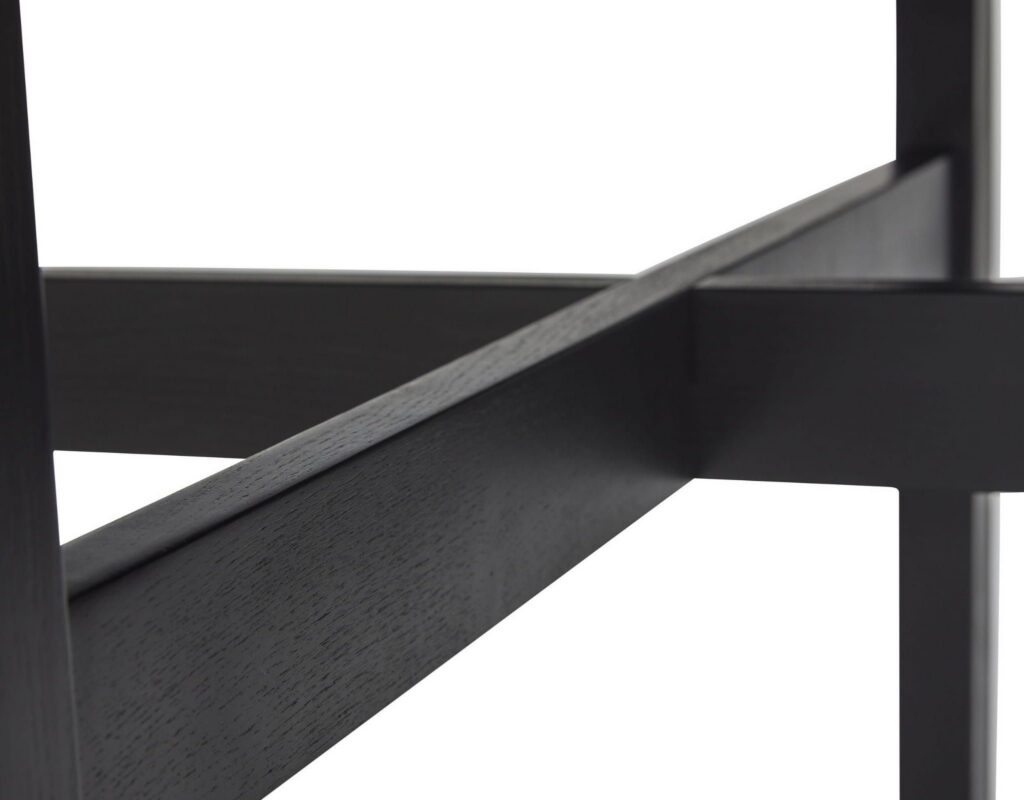
The placement of table legs dramatically influences chair arrangement. Traditional perimeter four-leg tables limit chair tucking at the corners. Conversely, tables featuring a central pedestal base or sculptural spider trestle legs offer far greater versatility, allowing chairs to be tucked in freely without banging knees into table legs. Always assess tabletop shape and leg architecture as an interdependent whole when planning family seating.
nn
Upholstered vs. Hard Chairs – Which Provides Long-Term Comfort?
n
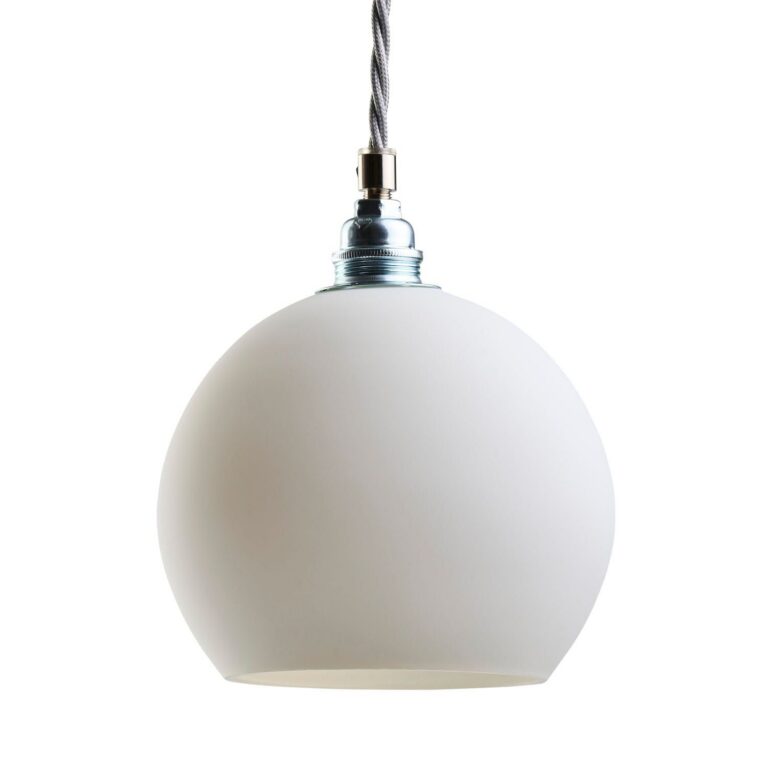
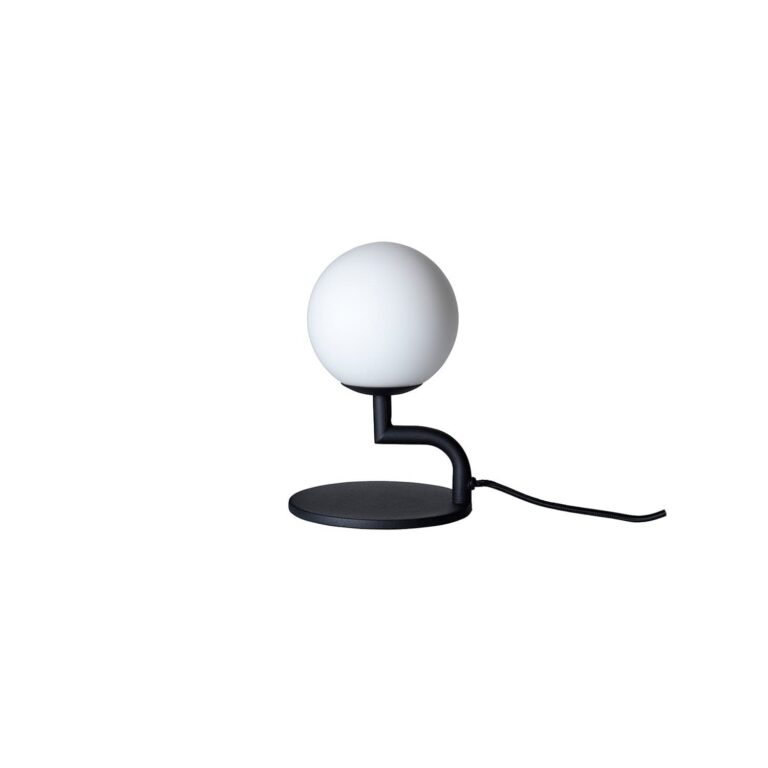
Selected furniture and lighting for this interior
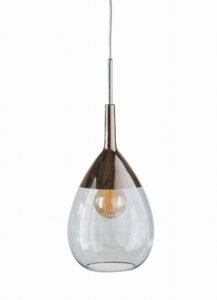 EBB & FLOW
Lute Ø22cm topaz blue platinum pendant lamp - Ebb&Flow
diameter 22cm height = 49cm
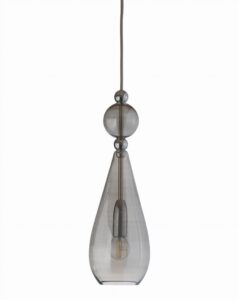 EBB & FLOW
Smykke lampa ścienna smokey grey w crystal ball
diameter 20cm 40cm height

Stolik Jaunty zielony okleina dębowa Hubsch
Jaunty table, green, Hubsch oak veneer. Jaunty table - this is the latest proposition from the brand...
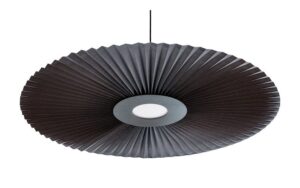
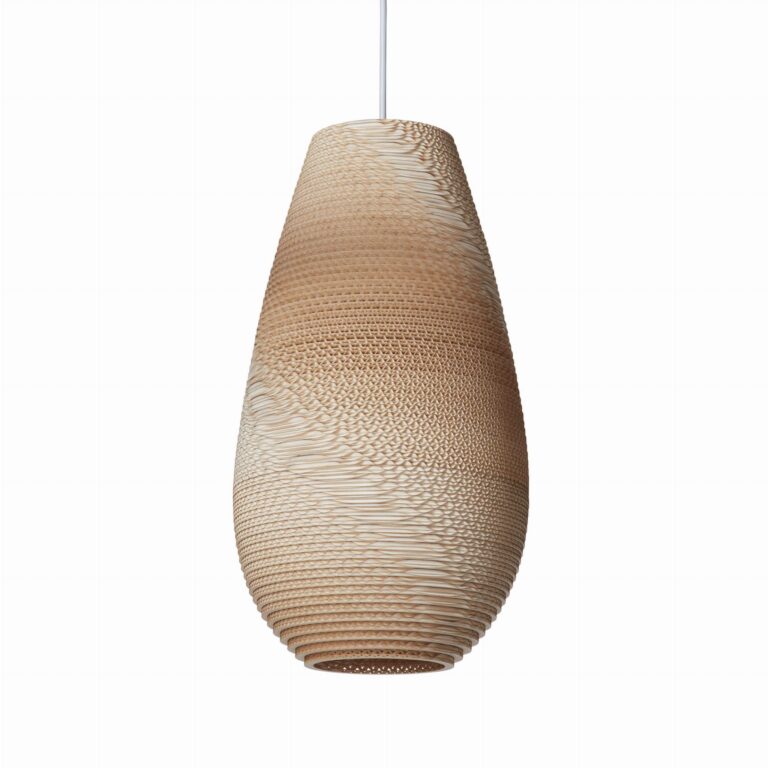
Lampa wisząca Carmen ⏀50 szara Harto
Lampa wisząca Carmen szara ⏀50 cm Harto to propozycja firmy Harto zdecydowanie...
The ongoing debate between upholstered chairs and hard surfaces (wood, fiberglass, metal) represents one of the most frequent dilemmas in dining design. There is no single universal winner; it depends entirely on how your household utilizes the space. A dining nook dedicated solely to a brisk morning coffee demands different attributes than a central table that hosts marathon dinner parties, homework sessions, and weekend game nights.
n
Upholstered chairs are the undisputed champions of seated comfort. Padded foam cores and supple woven textiles cradle the body naturally, distributing pressure across the pelvic area and spine. They are the premier choice if your gatherings routinely stretch over hours. Moreover, upholstery introduces acoustic absorption, significantly dampening reverberation in lofty open-concept living zones.
n
Hard chairs, while firmer initially, offer unmatched practicality and resilience. Their foremost advantage is effortless maintenance: spilled coffee or dropped sauces wipe clean in seconds with a damp microfiber cloth. Hard chairs also encourage a healthier, more upright posture, which many diners prefer. For added coziness, you can introduce removable seat pads that can be laundered as needed, achieving the best of both worlds.
n
Ultimately, balancing hard and upholstered seating involves balancing luxury against daily pragmatism. For hosts who love late-night entertaining, performance-treated upholstery with easy-clean fibers provides plush refinement without maintenance anxiety. In vibrant homes with playful toddlers or pets, sleek hard-surfaced chairs deliver stress-free ease and rapid cleanup after every meal.
nn
How to Mix and Match Different Chairs Around One Table?
n
The curated „mix and match” trend – deliberately blending varied chair models around a single dining table – has captured the enthusiasm of modern interior architects. It offers a fresh, dynamic alternative to rigid formal dining sets, celebrating personal character. However, to ensure the arrangement feels intentional rather than haphazard, a few golden rules must be observed.
n
The most reliable strategy is establishing a unifying thread. This could mean selecting the identical chair model in a curated trio of complementary tones, injecting playful vibrancy while maintaining unified proportions. Alternatively, select diverse silhouettes (spindle backs, bentwood classics, and upholstered armchairs) finished in a uniform monochromatic stain or matching upholstery hue. This shared visual anchor ties the eclectic ensemble together.
n
For bold design statements, arrange matching side chairs along the lengths of the table, then crown the two head positions with statement accent armchairs. These captain's chairs draw the eye and anchor the setting. Ensure these head chairs share a subtle detail with the side seating – such as complementary metal caps or matching wood species – to maintain compositional harmony.
n
Throughout any mix-and-match experiment, ergonomic consistency remains non-negotiable. Regardless of how drastically your chairs vary in vintage, silhouette, or material, their seat heights MUST remain consistent. Imagine dining where one guest sits noticeably higher than the rest; it immediately creates awkward eye-level dynamics and physical discomfort. Uniform seat height guarantees an effortless, enjoyable dining experience for all.
nn
FAQ
n
1. What Chair Height Is Best for a 75 cm Table?
n
For a standard 75 cm high dining table, the optimal chair seat height is between 43 and 45 cm. This standard ~30 cm vertical gap guarantees comfortable legroom, proper posture, and relaxed shoulders during meals. If choosing chairs with deep plush foam seats, account for cushion compression under body weight to ensure clearance stays around 27-30 cm above the seat plane.
nn
2. Do Dining Chairs Have to Match the Table?
n
Not at all! The convention of buying matched, monolithic dining sets is firmly in the past. Pairing tables and chairs from different collections and design movements is one of contemporary design's strongest trends. Simply establish a common thread – such as shared timber undertones, consistent proportions, or harmonizing hardware accents – to keep the scheme cohesive and bespoke.
nn
3. How Much Width Is Needed per Chair at a Dining Table?
n
To ensure every guest can dine comfortably without elbowing their neighbors, allocate a minimum of 60 cm of tabletop width per seat. In terms of depth, leave 70-80 cm of clear walkway space behind each chair (or 90 cm if backing onto a wall or cabinetry) so diners can stand and move freely without obstruction.
nn
4. Are Upholstered Dining Chairs Practical with Kids?
n
Yes, they can be remarkably practical provided you select performance upholstery. Modern stain-resistant and hydrophobic fabrics prevent liquids from soaking in, allowing accidental spills to be dabbed away effortlessly with a clean paper towel. This allows parents to enjoy luxurious upholstered seating without everyday maintenance stress.
n
Do you want to support our development?
We run this blog out of passion for beautiful interiors and good lighting. We do not publish sponsored articles and all opinions presented are 100% independent. If you want to support us, shop in our store bihome.pl or use our referral links when choosing add-ons. For you it's exactly the same cost, and for us it's a chance to create more articles in our free time. Thank you!